

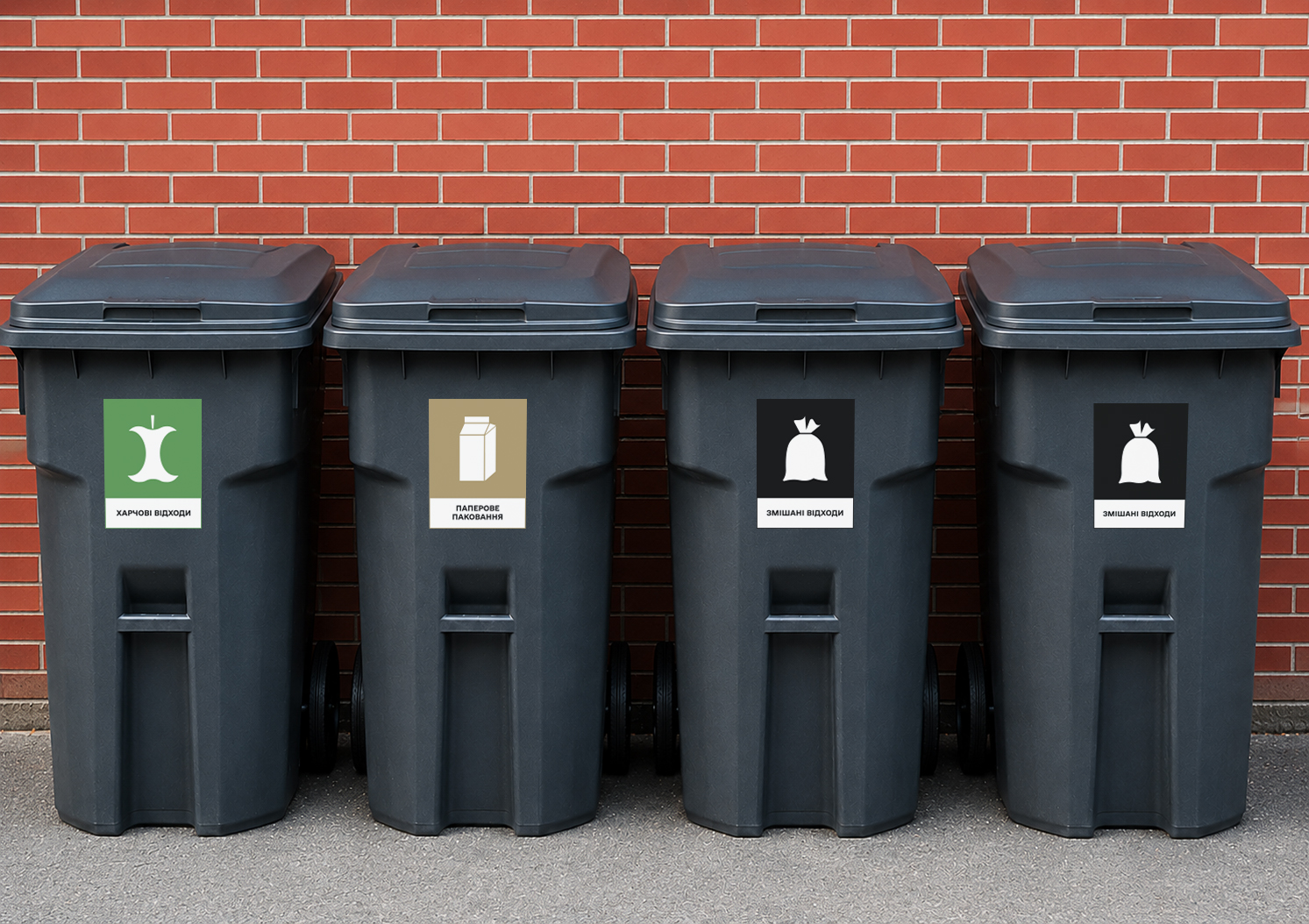
Ukraine has adopted amendments to the Methodology for the Separate Collection of Household Waste. Experts are convinced that the new measures will make sorting easier for people and cheaper for communities: the updates involve the introduction of a system of symbols and labels to designate different types of waste, similar to what Sweden and several other EU countries use to guide waste sorting.
Previously, Ukrainian communities used different approaches to waste sorting, which often complicated the process and reduced its efficiency. The Ministry of Community and Territorial Development, with the support of the Swedish-Ukrainian programme Waste Management for Ukraine, WM4U, decided to make the rules uniform and understandable for everyone.
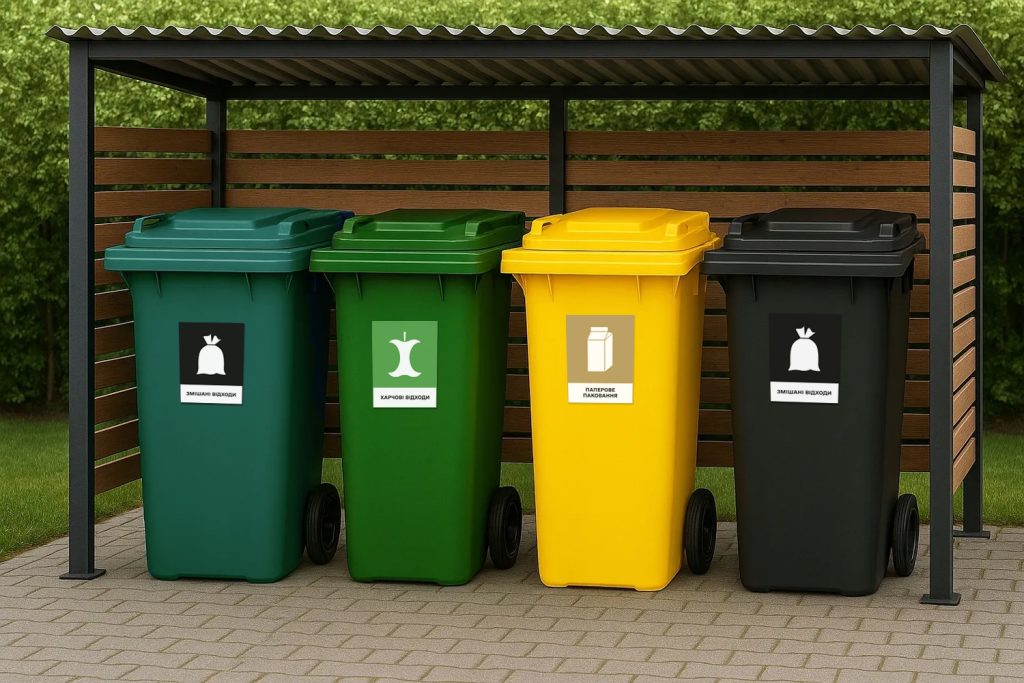
The key change is the option to use special symbols instead of the mandatory “color-coded” container system. From now on, their use is not mandatory; containers can be labeled with stickers — for example, for plastic, glass, or paper. This allows for the use of a single type of container, which reduces the cost of purchasing them.
“Local communities will pay only for printing stickers with symbols. This principle is crucial for the system’s widespread adoption and adaptation. In other words, citizens will see the same symbols for separate waste collection at work, at home, in public places, etc., as well as on packaging,” explains Oleksandr Ignatenko, national waste management expert for the WM4U Programme.
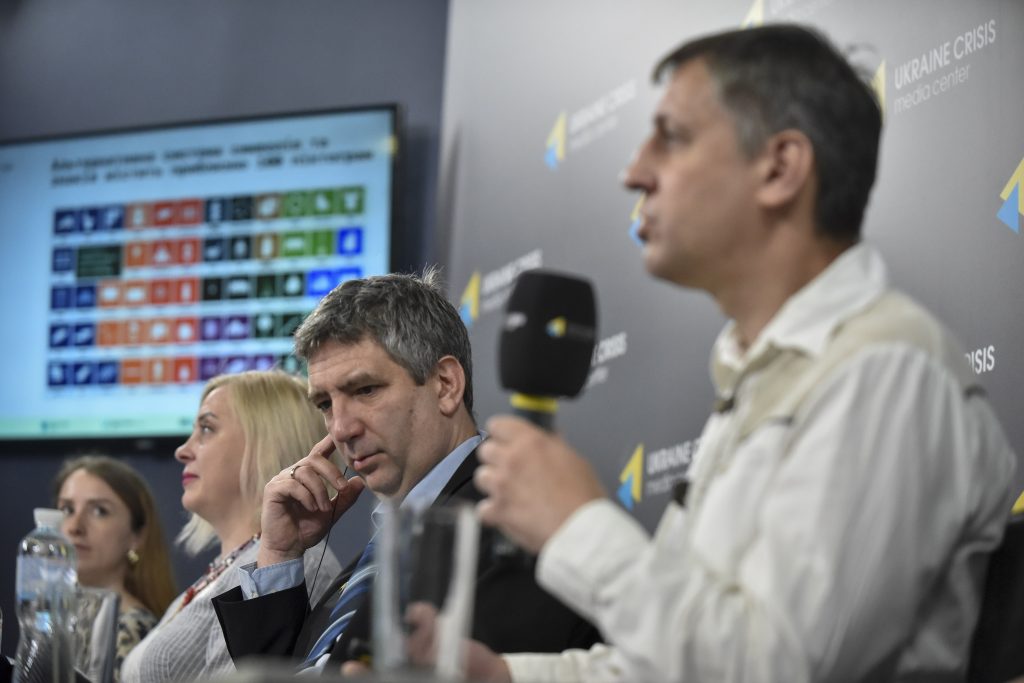
The system consists of approximately 100 symbols and labels and actually makes sorting easier: the symbols are easy to understand, the sticker colors are consistent, and the category names are clear.
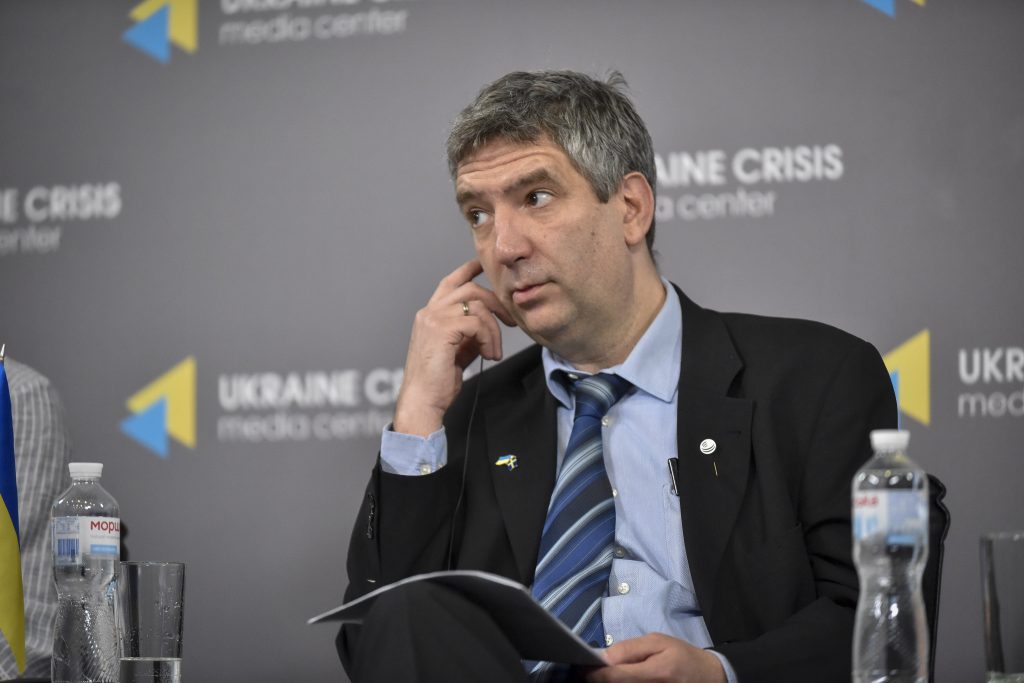
“It’s great that the Swedish support to Ukraine has had such a concrete effect, and that we will now use the same symbols,” says Andrik Mols, Technical Programme Manager WM4U. “The Nordic labelling system is not just about design – it’s about communication, clarity, and encouraging responsible environmental behaviour. I am convinced that the Nordic labelling system can help citizens sort waste more effectively at various locations and be an important piece of the puzzle to increase material recycling.”
The update to the Methodology is part of broader changes in waste management that bring Ukraine closer to EU standards. These changes are expected to increase waste recycling, reduce the amount of waste in landfills, and improve the quality of services in communities.
“Strengthening Municipal Waste Management in Ukraine (2024–2027)” (WM4U) is a Swedish-Ukrainian program aimed at systemic changes in the field of municipal waste management in Ukraine. The program is funded by the Swedish government through Sida and implemented by Avfall Sverige and SALAR International.