

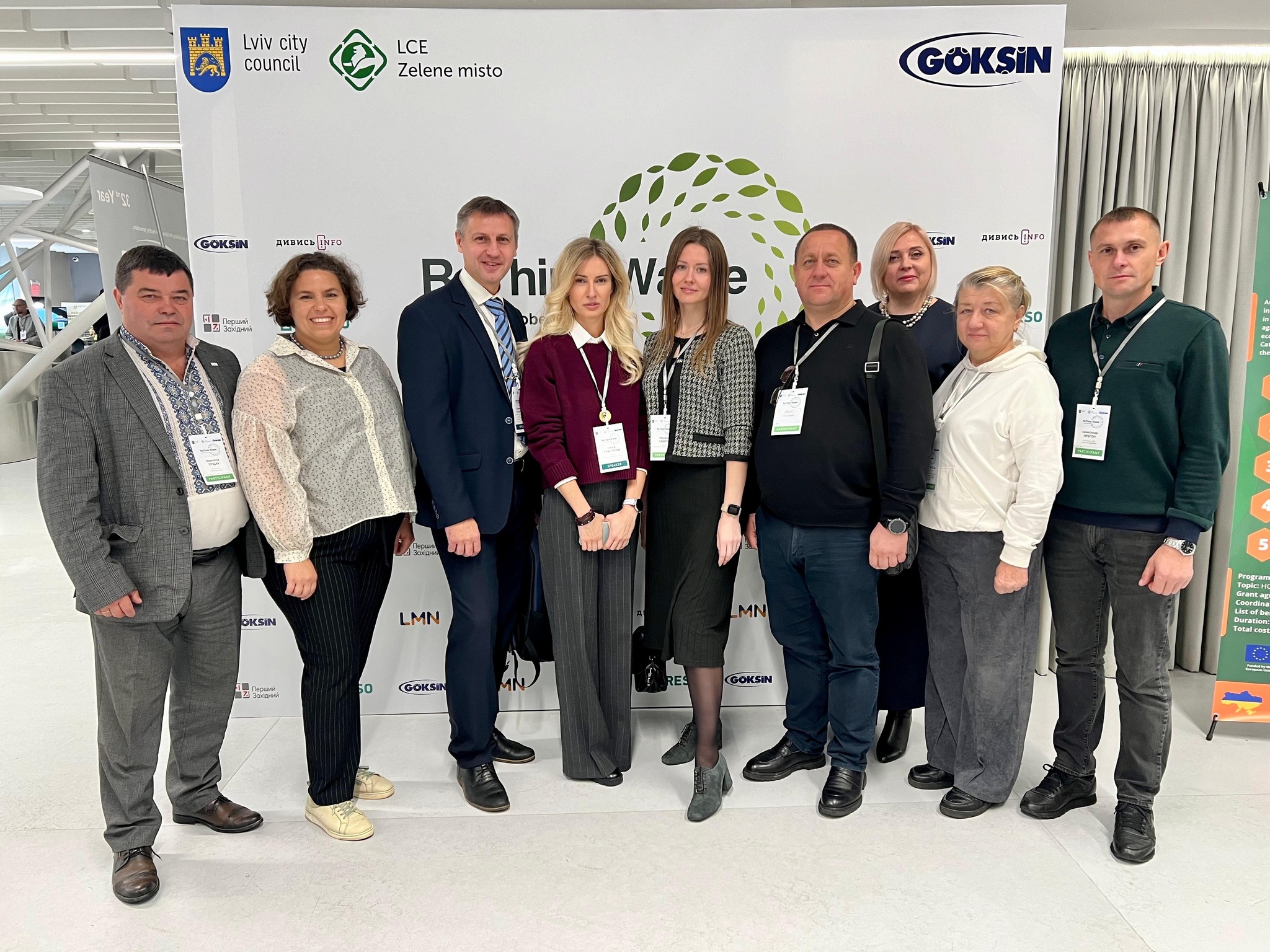
WM4U experts present Swedish–Ukrainian experience at the ReThink Waste forum in Lviv
On 2–3 October 2025, the International Conference on Municipal Waste Management ReThink Waste took place in Lviv, gathering more than 300 participants from across Ukraine. The Waste Management for Ukraine (WM4U) Programme was one of the key partners of the event: four WM4U experts took part in the forum. Thanks to the Programme’s support, representatives of the Ministry for Communities and Territories Development of Ukraine and nearly 30 delegates from partner communities of Vinnytsia, Ivano-Frankivsk, Poltava and Kharkiv regions joined the event.
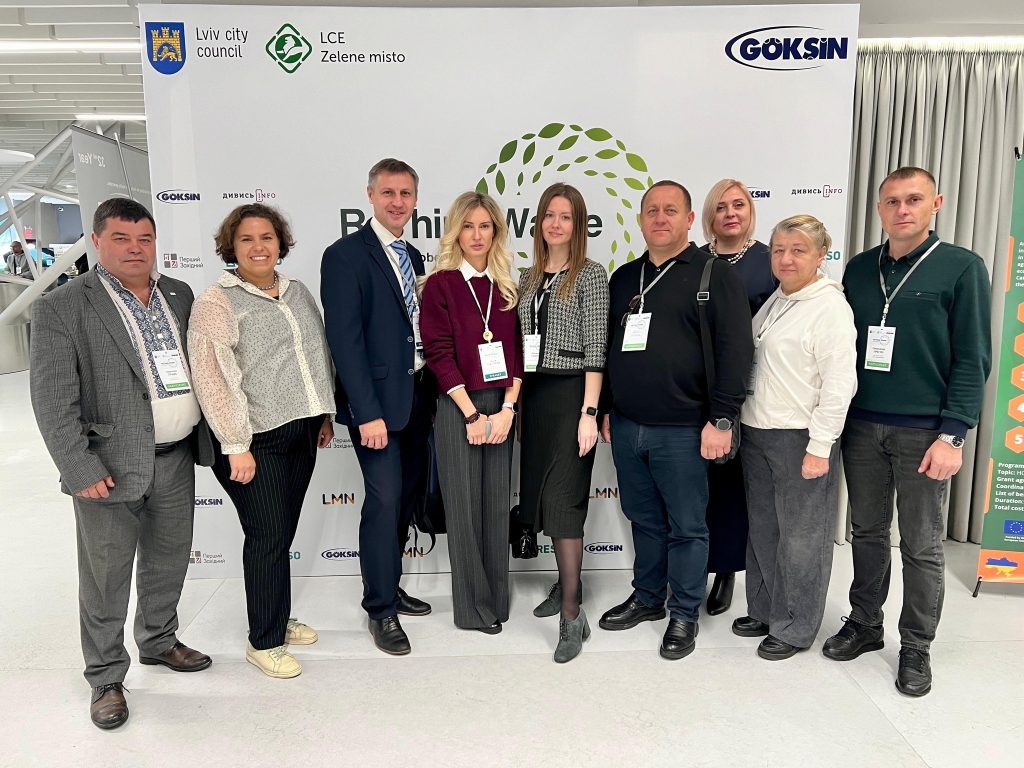
The forum provided a platform for discussing sectoral development strategies, modern technologies, and European models of municipal waste management. WM4U experts spoke in key conference panels and presented the results of the Programme’s first year of work.
Oleksandr Ihnatenko:
“The system of separate waste collection must be understandable to people”
In the panel, dedicated to waste management strategy and policy, WM4U national expert Oleksandr Ihnatenko presented the Programme’s developments on improving the Methodology for Separate Collection of Municipal Waste, including:
- introduction of unified container symbols and signs;
- clarification of requirements for locating collection points;
- additional technological schemes for biowaste collection.
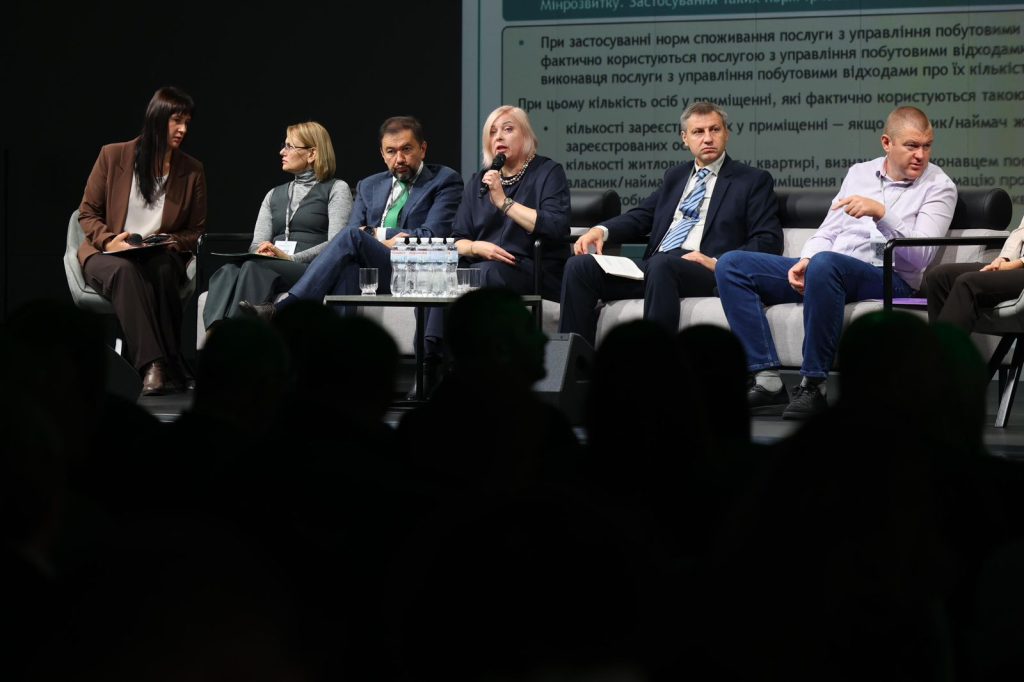
“Separate waste collection will not be effective without clear, understandable rules. The system must be equally clear to both authorities and community residents. That is why we have developed changes that bring Ukraine closer to European standards and facilitate the practical implementation of the reform on the ground,” noted Ihnatenko.
Olga Glazunova:
“Reform continues despite the challenges of war and political change”
In the panel dedicated to modern disposal practices and pathways to sustainable solutions, WM4U Country Manager Olga Glazunova summarised the first year of programme implementation, highlighting the complex conditions in which it was carried out.
Among the key achievements, she noted: the launch of work in four pilot regions, identification of 47 partner communities, study visits to Sweden and Ukraine, and the transfer of over 1,000 waste collection containers from Swedish municipalities to Ukrainian partners, as well as a bio-fuelled waste truck for Lozova community in Kharkiv region.
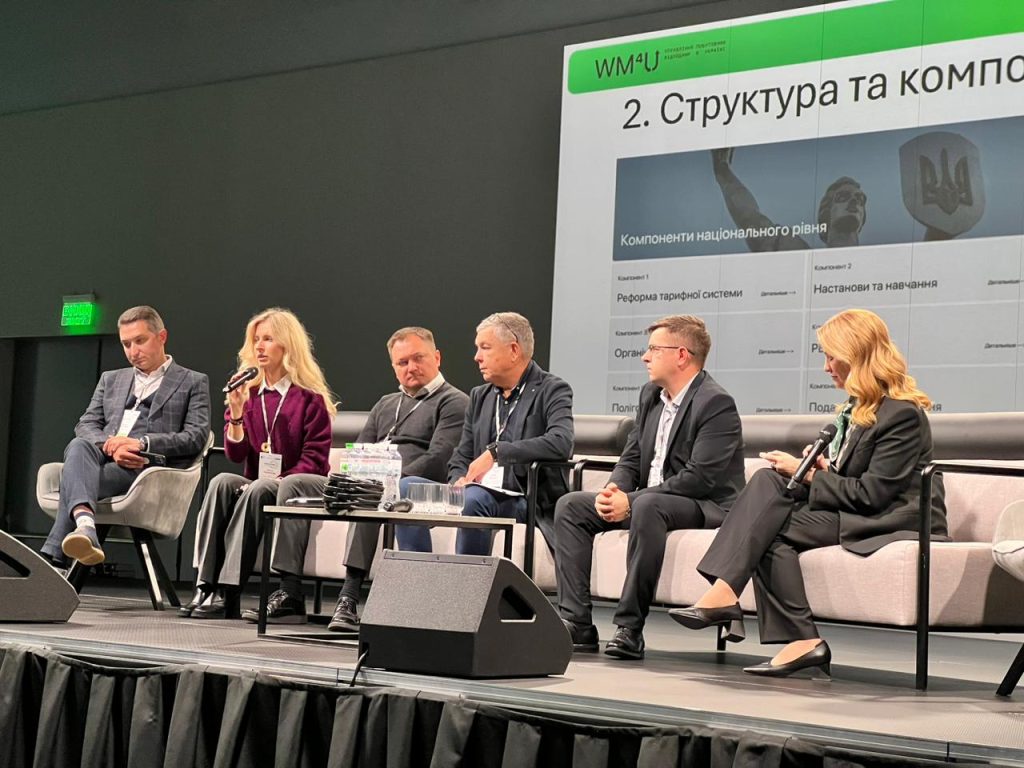
“Reform continues despite the challenges of war and political change. Within a year, we launched all programme components, from the national level to work with local communities. Our task is to help Ukraine move from isolated solutions to a systemic waste management model, integrated into the European context,” Glazunova emphasised.
According to her, in 2026 the Programme will focus on preparing local waste management plans, developing inter-municipal cooperation, and launching training programmes. An important part of the work will also be the investment component, aimed at modernising landfills and developing infrastructure.
Weine Wiqvist:
“A systemic approach is the key to success”
The next panel discussion was moderated by WM4U regional coordinator Iryna Myronova and focused on the current challenges and opportunities in reforming Ukraine’s waste management sector.
Participants discussed:
- the need for strategic planning at hromada level;
- the role of municipalities in introducing separate collection systems;
- the importance of raising public awareness;
- ways of attracting investment and international partnerships.
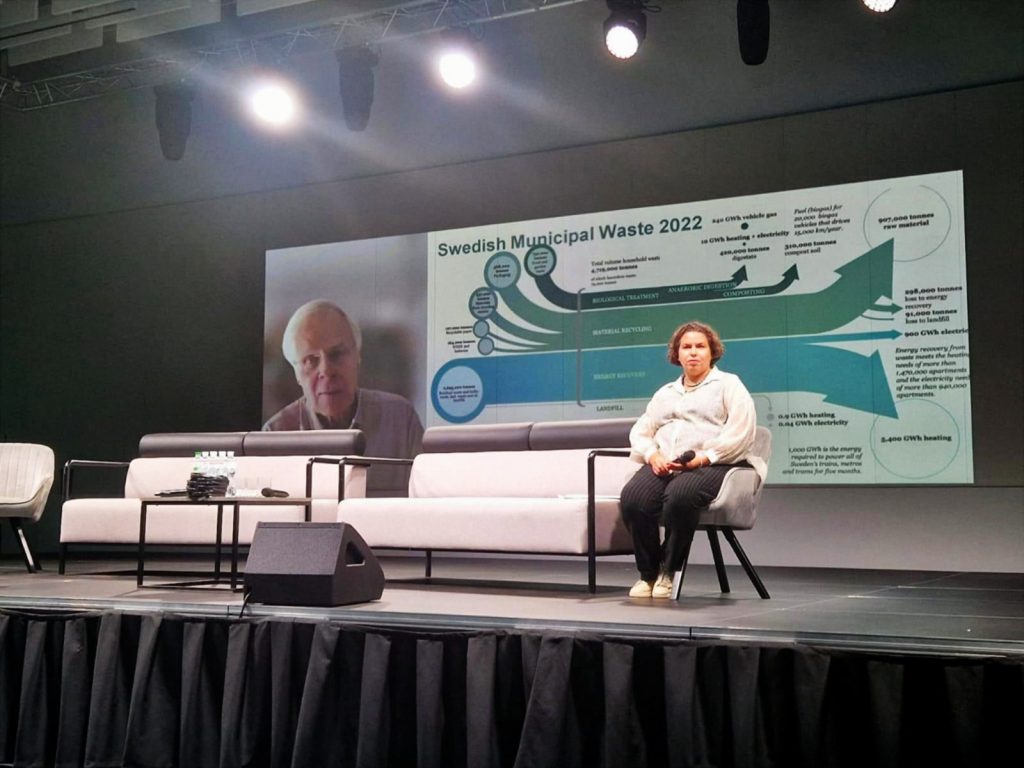
WM4U Senior Adviser and representative of Avfall Sverige Weine Wiqvist shared Sweden’s experience in building sustainable waste management systems and integrating circular economy principles. He emphasised the institutional and financial foundations of reform, the role of political will, and the need to raise public awareness.
“Sweden has achieved high recycling rates thanks to a systemic approach: combining institutional infrastructure, quality technologies, and political responsibility. One of the main lessons is that a landfill is not the final destination but the starting point. The more you sort, the more you recycle. This rule works in any country,” Wiqvist stressed.
The discussion served as a platform for comparing Ukrainian and Swedish practices and outlined concrete steps that can help communities move towards more modern and environmentally friendly solutions.
Field excursions: practical insights
The final highlight of the forum was a series of field excursions organised on 3 October. Participants had a unique opportunity to visit key infrastructure facilities of LKP Zelene Misto, which form the basis of Lviv’s new waste management system.
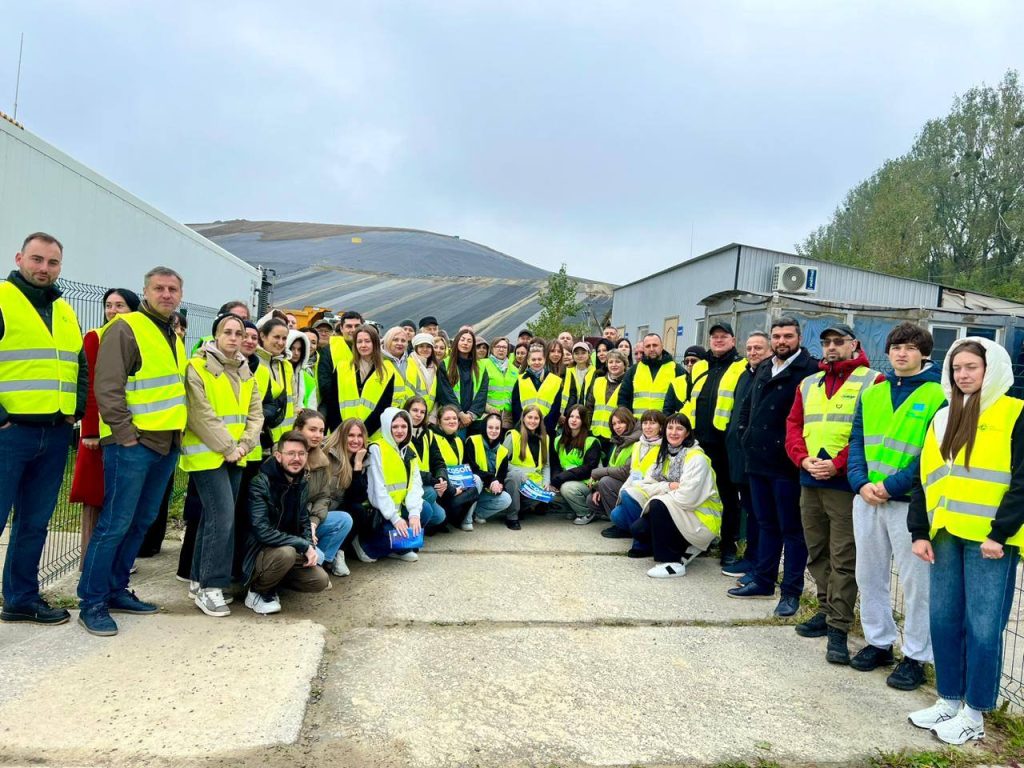
The day began with a visit to the Hrybovychi landfill, one of the largest in Ukraine, where large-scale reclamation works are currently underway. Guests learned about the technical solutions applied on site, including degassing systems, slope reinforcement, water drainage, and plans for future safe use of the area.
Next, participants toured the construction site of a modern waste treatment plant – a key element of Lviv’s integrated waste management system, which will significantly reduce the amount of waste sent to landfills and provide a safer and more sustainable model of waste management.
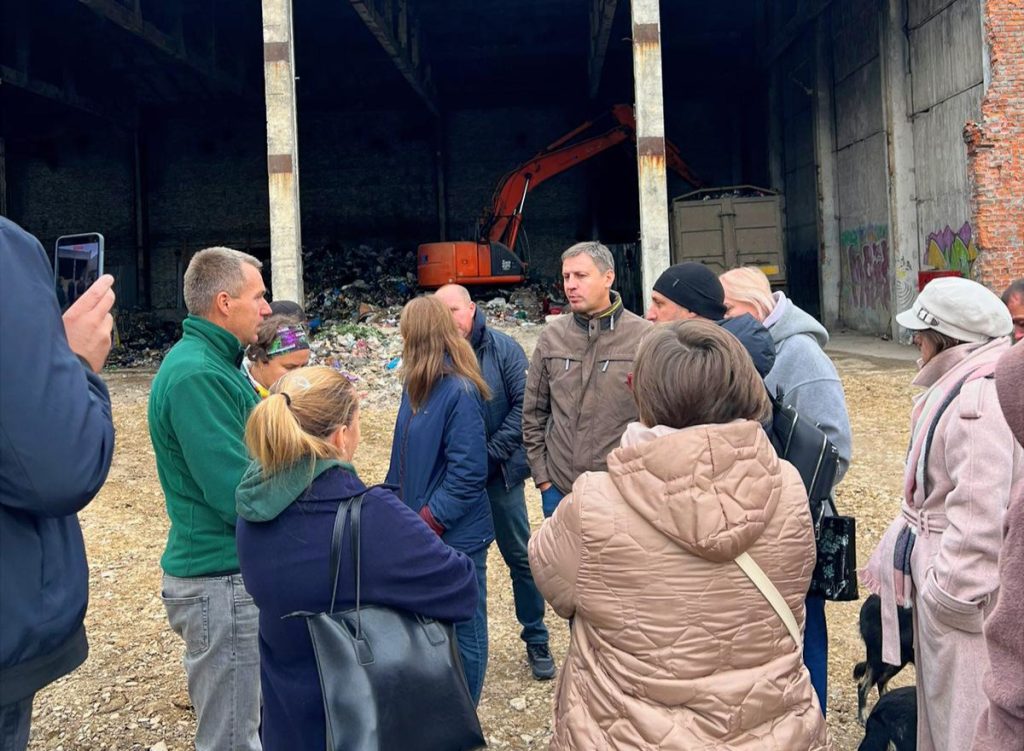
The programme also included a visit to the municipal composting station for food and green waste. Participants saw the entire process – from collection and sorting of organics to production of finished compost, which can be used in agriculture and urban landscaping.
Additionally, representatives of pilot communities visited the municipal waste transfer station and landfill in Stryi, broadening their understanding of regional-level waste management solutions.
These excursions provided an important practical complement to the forum’s discussions, clearly demonstrating how modern technologies and strategic approaches are being implemented in practice, transforming waste management systems at the local level.
Looking ahead
The ReThink Waste Forum became an important platform for dialogue between Ukrainian communities, government institutions, and international partners. The participation of WM4U experts helped to showcase practical tools that are already enabling communities to move towards European standards of waste management.