

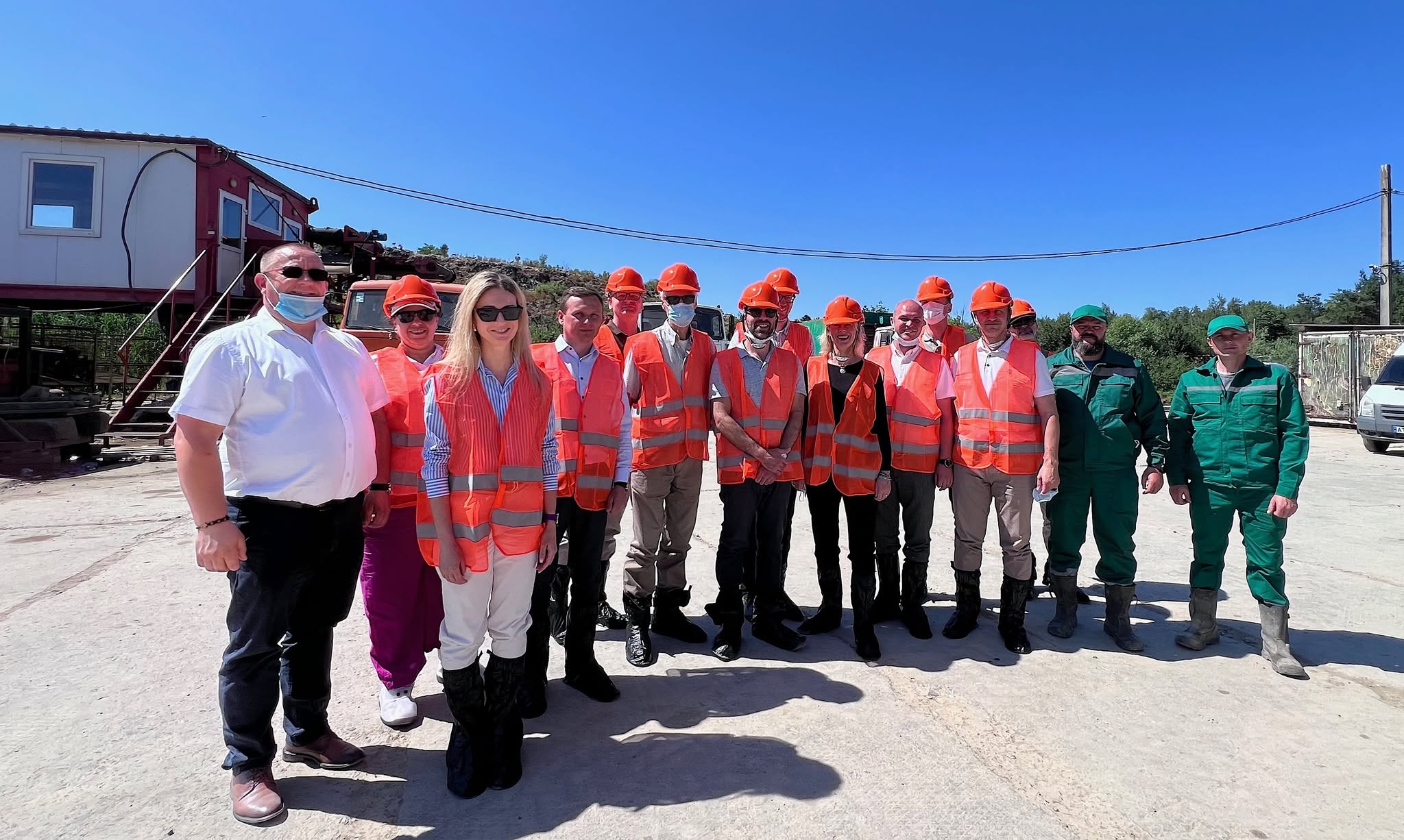
From 23 to 27 June, expanded study visits took place in Vinnytsia and Ivano-Frankivsk regions involving representatives of Swedish municipalities and experts working within the framework of the “WM4U – Waste Management for Ukraine (2024–2027)” programme.
Vinnytsia cluster: in-depth familiarisation with local waste management models
The visit to Vinnytsia began on 23 June with an introductory meeting at the “Kvadrat” Youth Centre, where representatives of the Swedish “East” cluster learned about the Vinnytsia cluster communities, their challenges, and expectations. The delegation included representatives of Sida, SALAR International, Avfall Sverige, and Swedish municipalities.
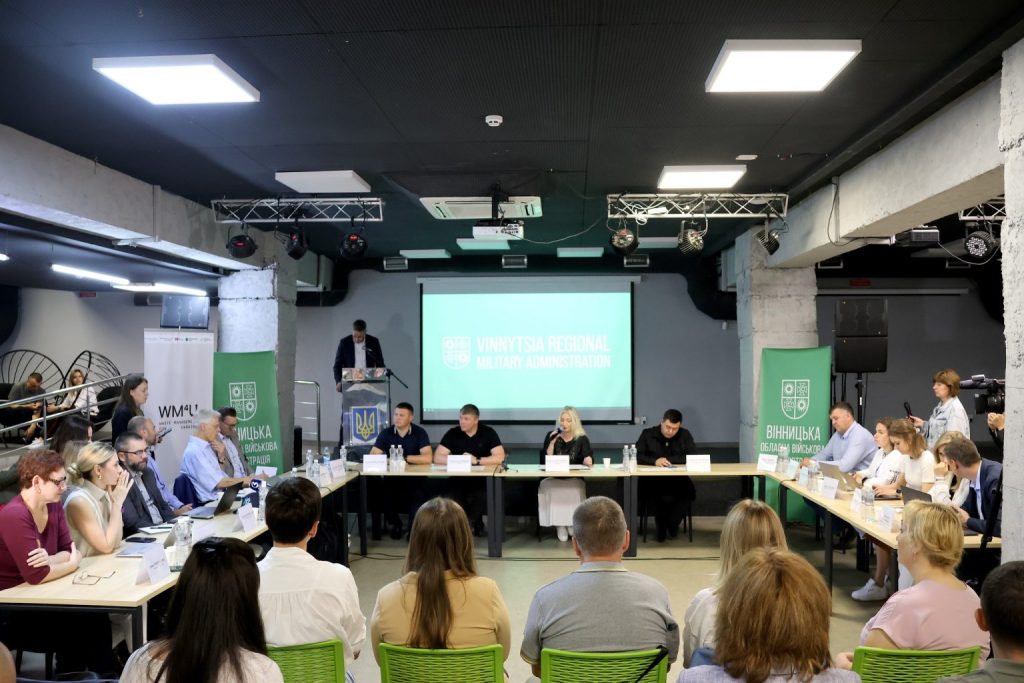
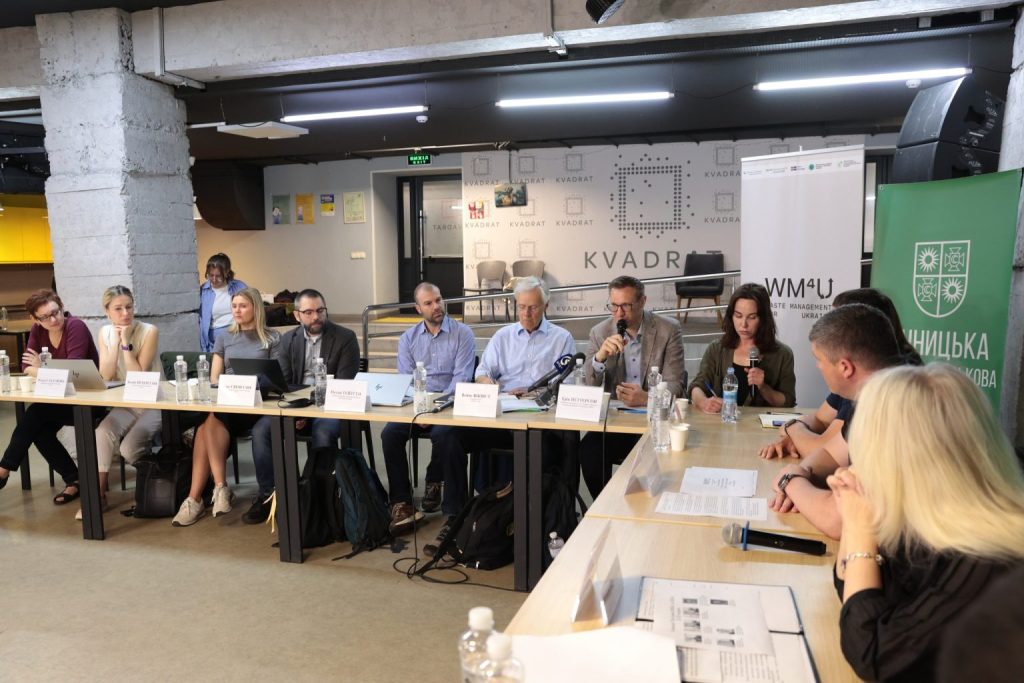
“It is a pleasure to be in Vinnytsia, despite these difficult times for your country. Sweden’s support for Ukraine remains strong and steadfast. We hope to help strengthen Ukraine’s waste management system,” emphasised Erik Pettersson, Programme Manager at the Swedish International Development Cooperation Agency (Sida).
The Vinnytsia cluster, which comprises 14 communities, already has well-developed infrastructure for implementing modern waste management practices. According to the Regional project plan, the cluster includes one regional landfill, one mechanical-biological treatment facility, two sorting lines, and two secondary raw material preparation centres. It also pays attention to bio-waste processing – six centralised composting sites are already operating. This allows communities to gradually transition toward minimising landfill disposal and using resources more efficiently.
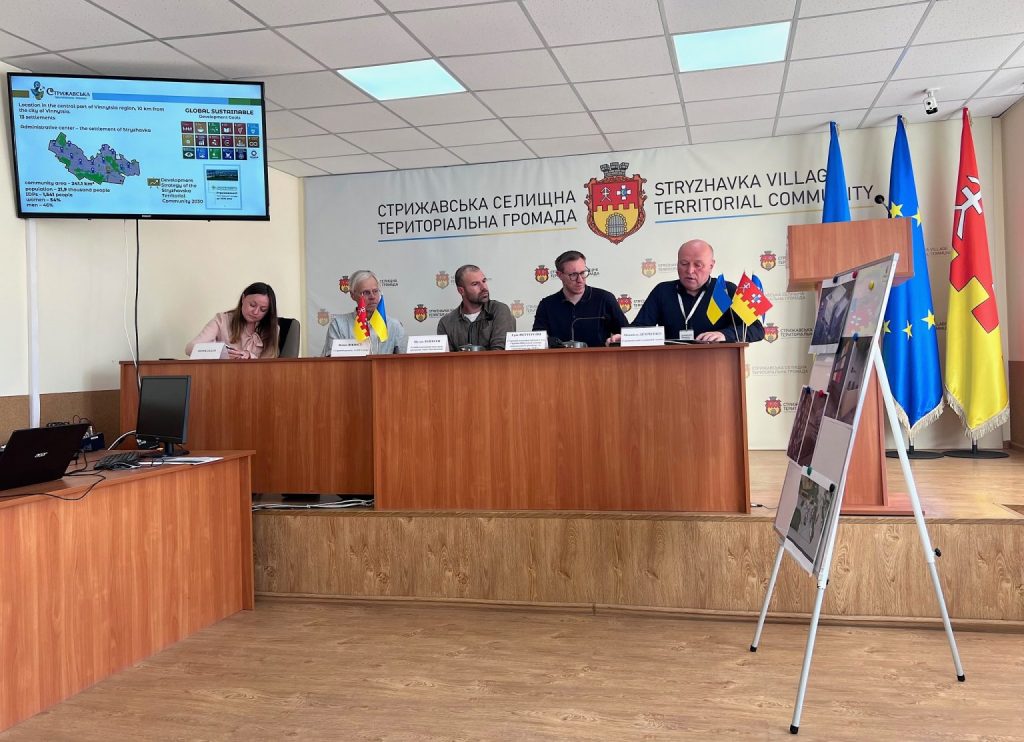
Over five days, the Swedish delegation visited more than 10 locations – landfills, sorting lines, boiler houses, municipal enterprises, and household waste collection containers in Vinnytsia, Zhmerynka, Bar, Lityn, Hnivan, Stryzhavka, Agronomichne, Luka-Meleshkivska, Yakushyntsi, and other communities.
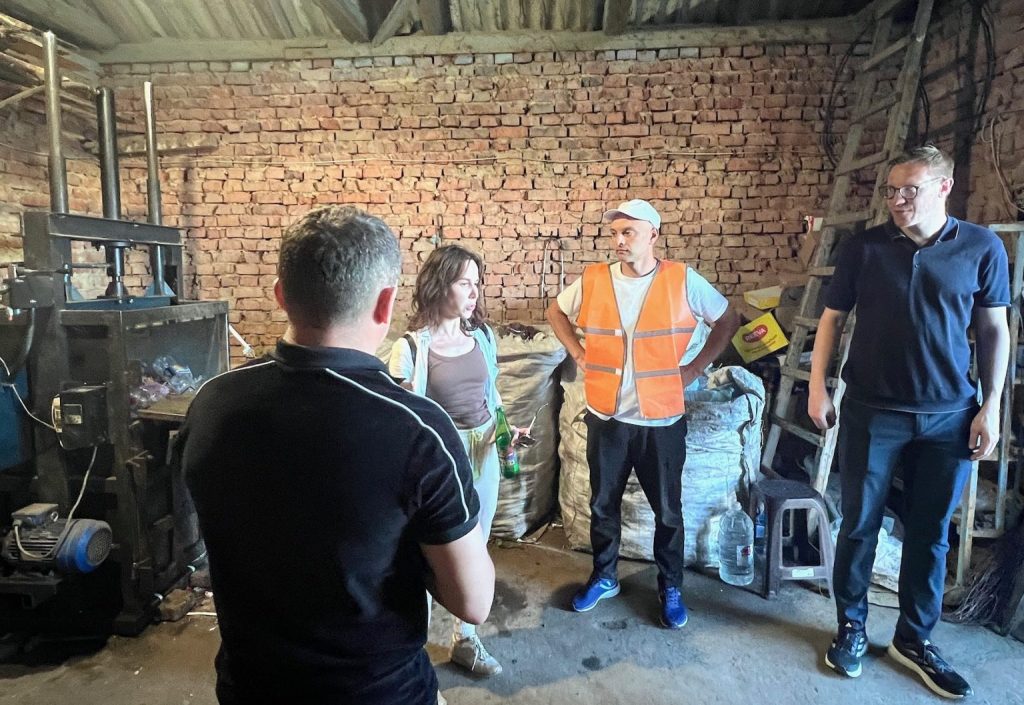
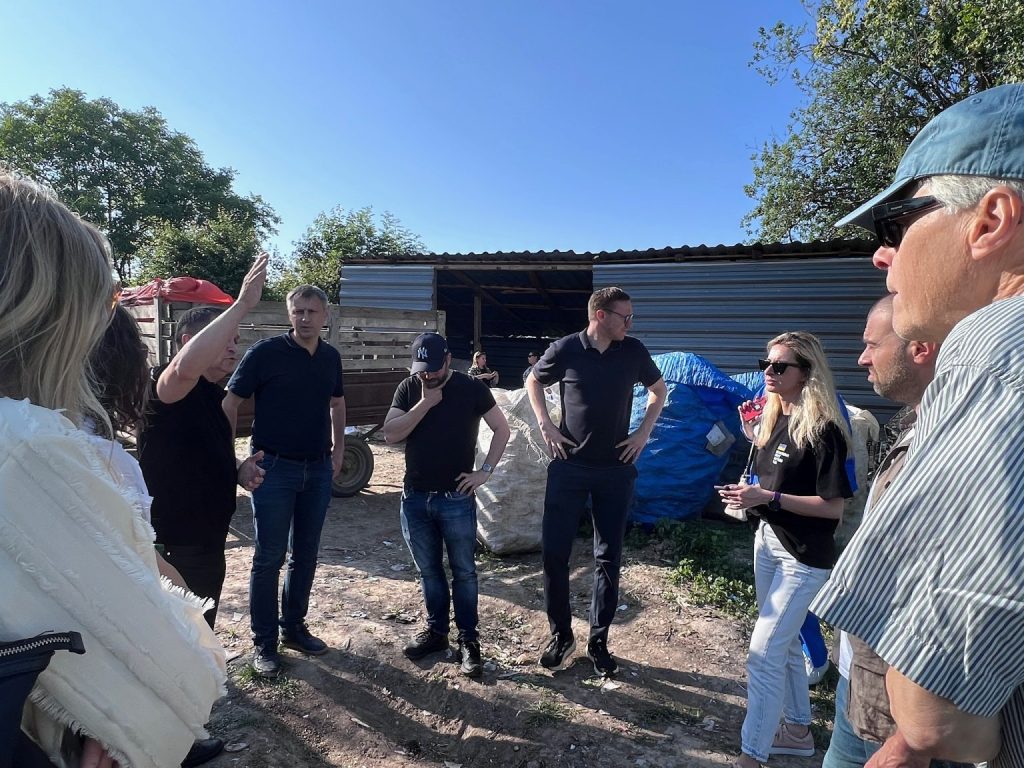
“Sweden is a global leader in solid waste management. The experience of this country is extremely valuable for us. Our goal is to reduce the amount of waste going to landfills and to ensure the proper disposal of hazardous waste,” noted Roman Furman, Deputy Mayor of Vinnytsia.
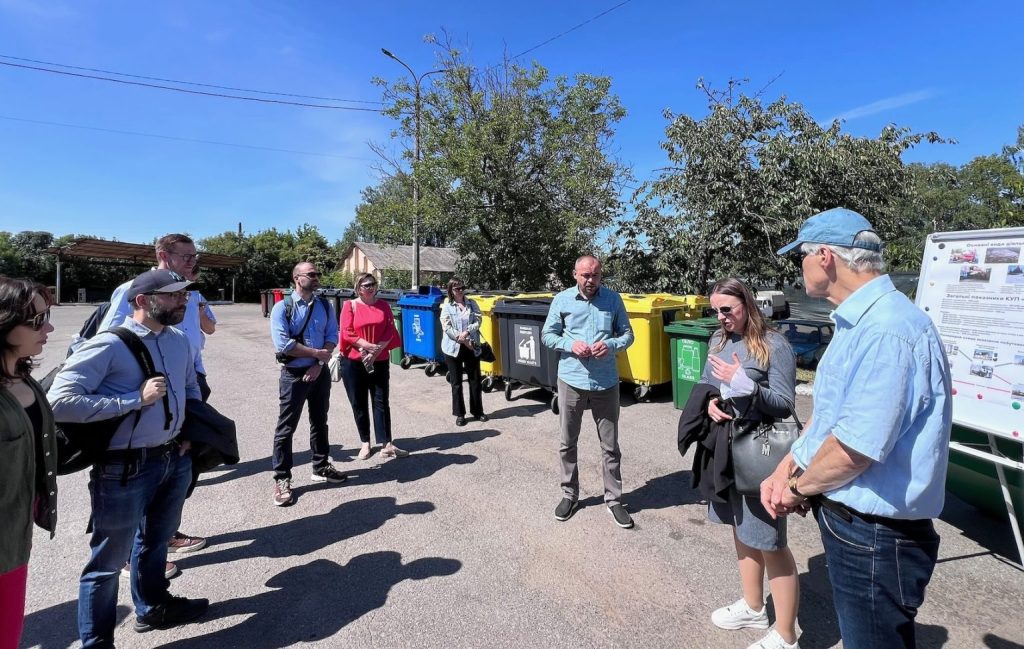
During the visit of the Swedish “East” cluster to Vinnytsia retion, the WM4U delegation was introduced to the multi-level waste management system in the Vinnytsia urban community:
“EkoVin” municipal enterprise presented its Waste Management Centre and new approaches to collection logistics. The company handles not only collection but also accounting and monitoring of recyclables.
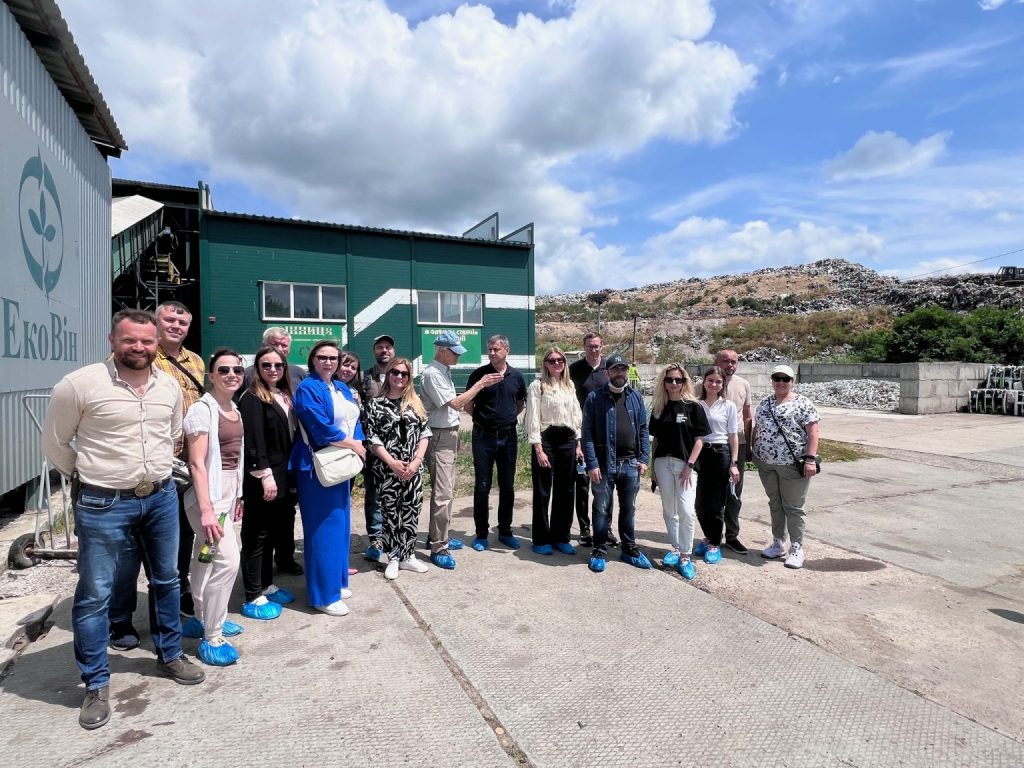
“EcoShuttle” – a youth-led deep-sorting initiative – showcased how young people contribute to environmental awareness in the community.
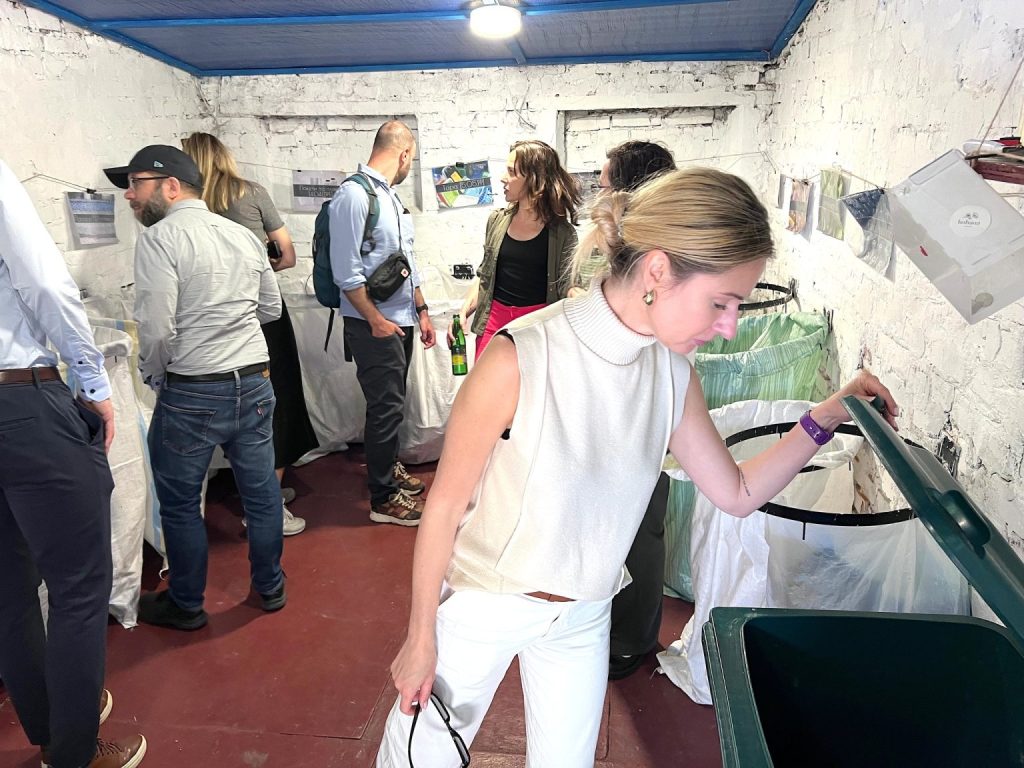
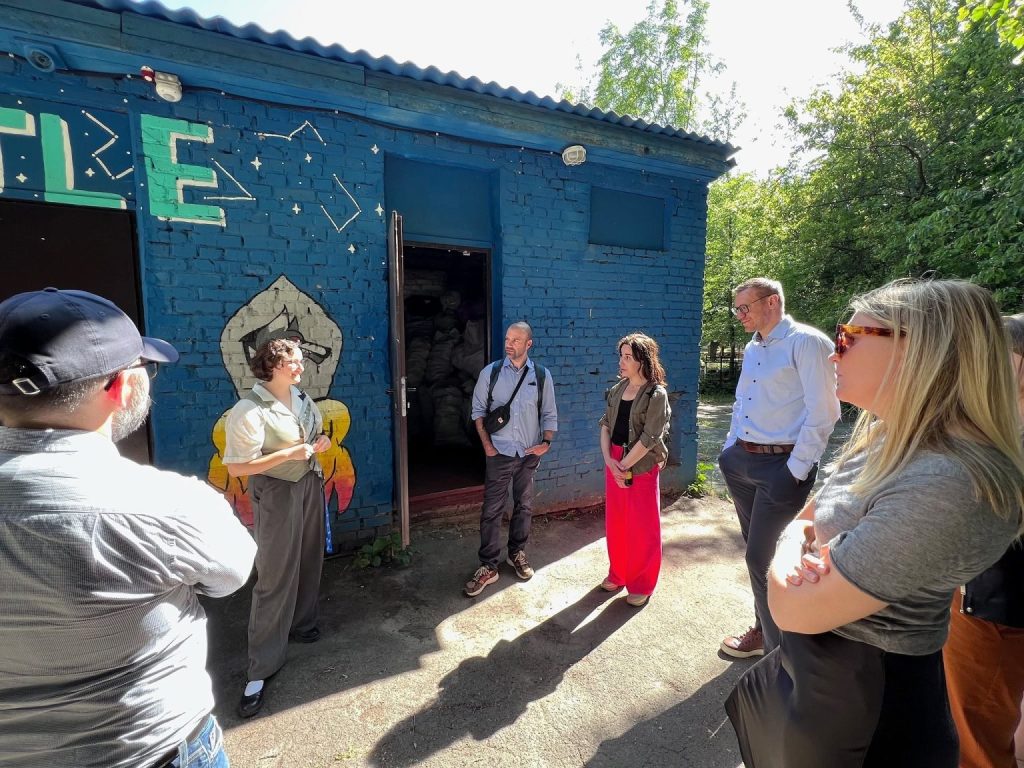
Green’s residential complex – an example of household engagement in waste sorting at the Condominium Association level.
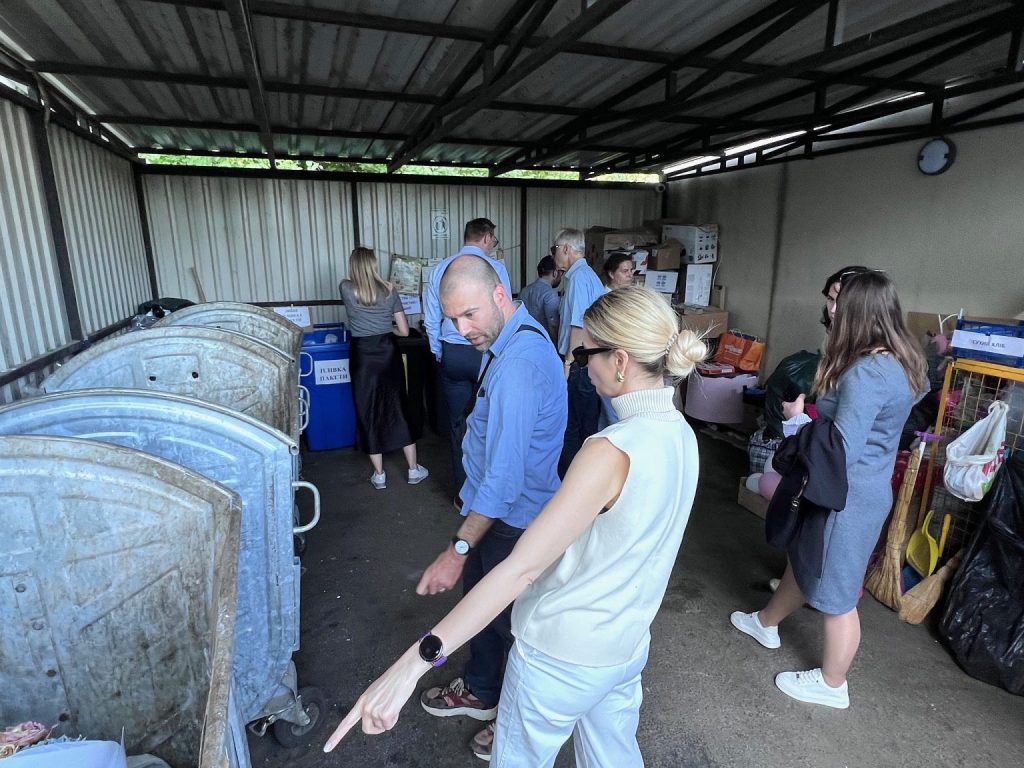
“Eko-Service” LLC – a private company managing household and construction waste in cooperation with the community.
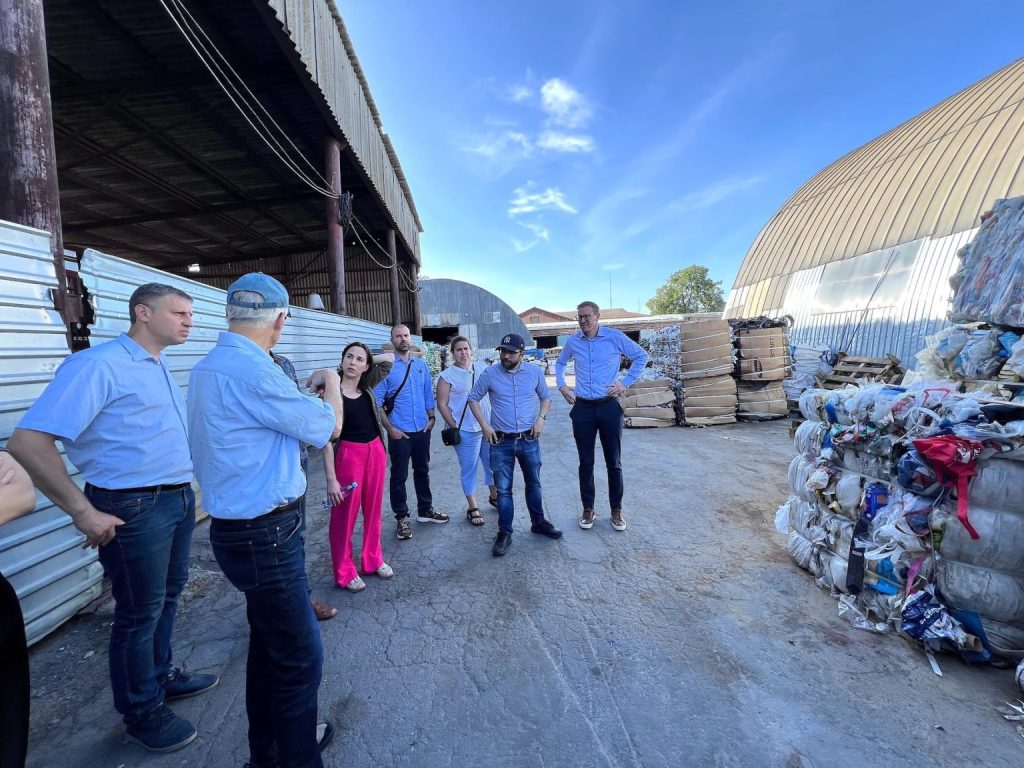
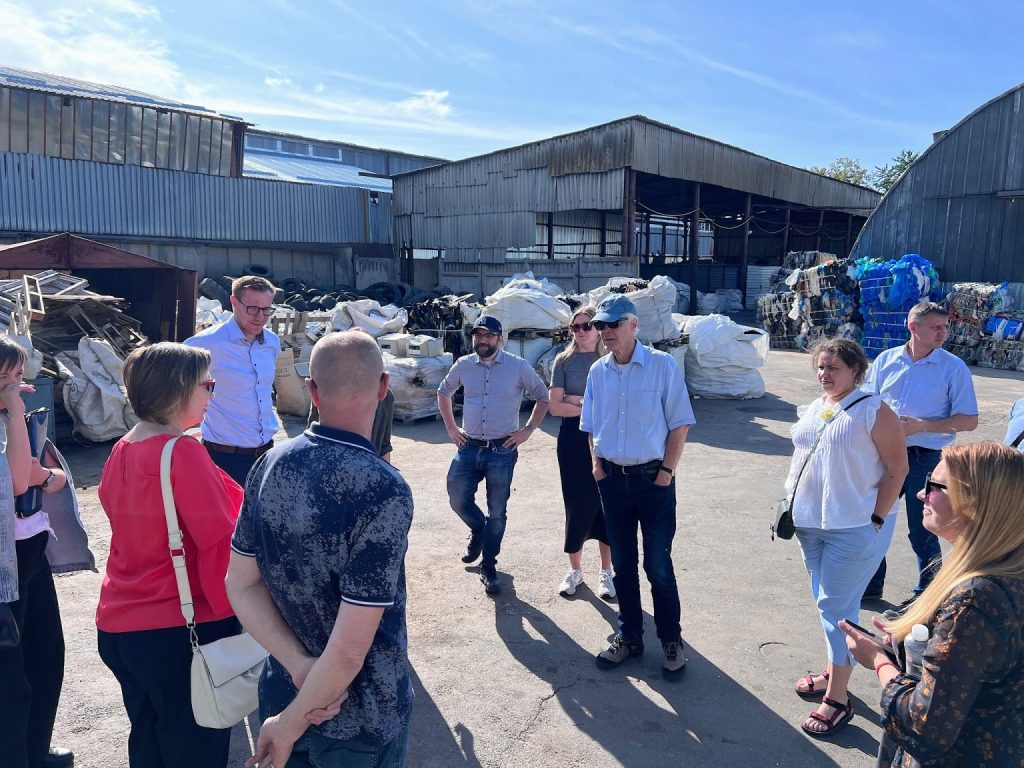
“Vinnytsiamiskteploenergo” – a municipal heating company. The delegation saw its solid fuel boilers and cogeneration unit, which converts combustion energy into heat and electricity – an example of integrated waste-to-energy and energy efficiency.
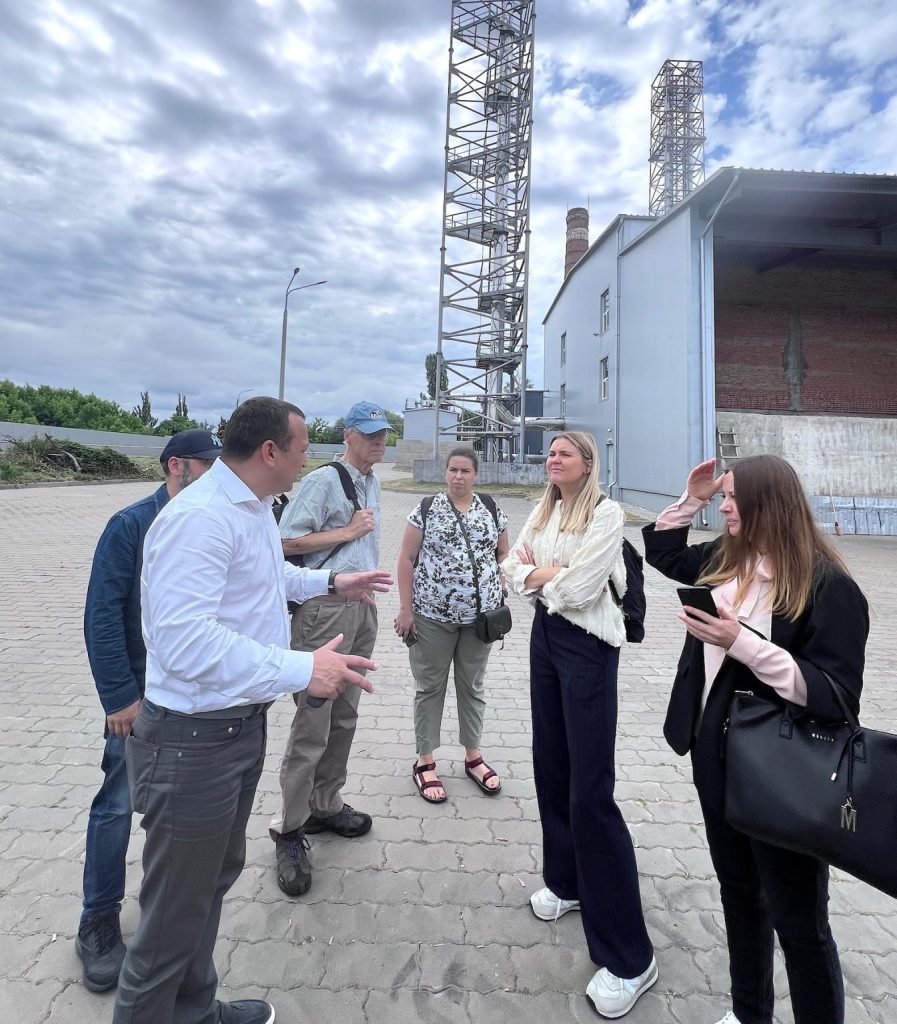
“In Vinnytsia, we can see how youth initiatives and municipal enterprises work synergistically. It’s a model for other communities,” summarised Klas Svensson from Avfall Swerige, representing the “East” cluster.
These examples inspire and empower other communities in the Vinnytsia cluster to pursue systemic changes. During the following visits, the WM4U delegation studied the waste management approaches of the Hnivan, Tyvriv, and Zhmerynka communities – each of which showcased its own unique practices and challenges.
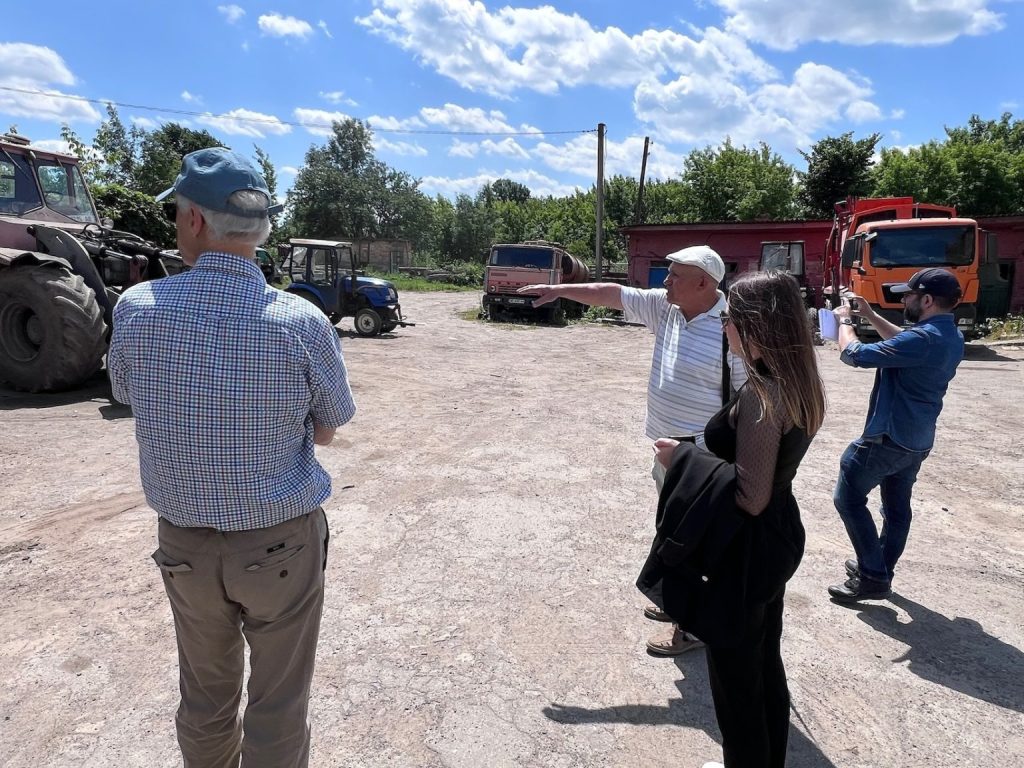
Hnivan community:
- The delegation visited “Hnivanvodopostach” municipal water utility and the local landfill. The community shared its integrated approach, including sludge and sediment management within the overall waste system.
Tyvriv community:
- The visit included the “Tyvriv Municipal Services Complex” and the local landfill. Discussions focused on logistics for collecting bulky waste and options to optimise routes and improve efficiency.
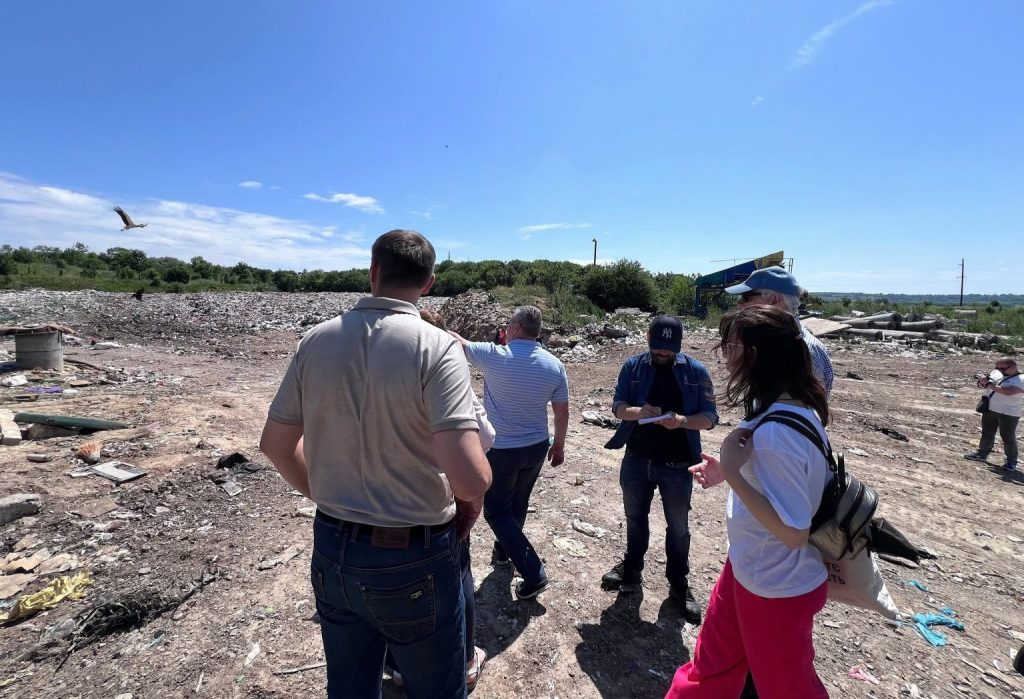
Zhmerynka community:
- The delegation visited the municipal landfill and “Bravis”, a private operator managing both collection and sorting. The company demonstrated a blended municipal-business model for household waste management.
In Vinnytsia region, special attention was paid to the practices of the Bar and Lityn communities.
Bar community: local solutions focused on infrastructure
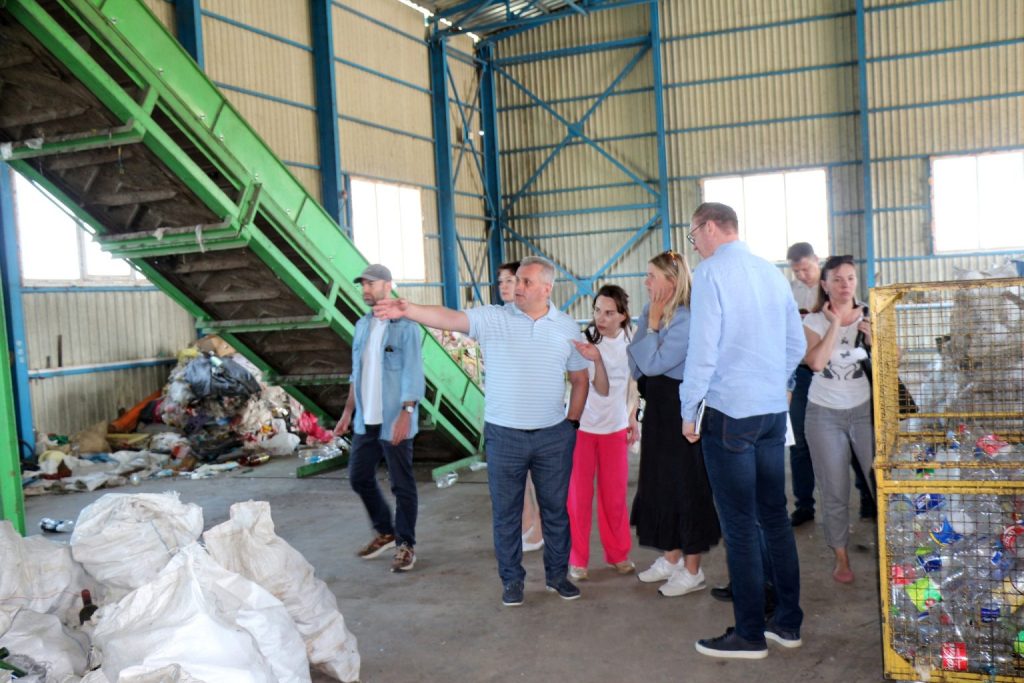
The visit began at the Bar City Council, where the local waste management system was presented. Participants discussed regulatory frameworks, challenges, and success stories. The delegation then visited the sorting station of “Blagoustrii” municipal enterprise.
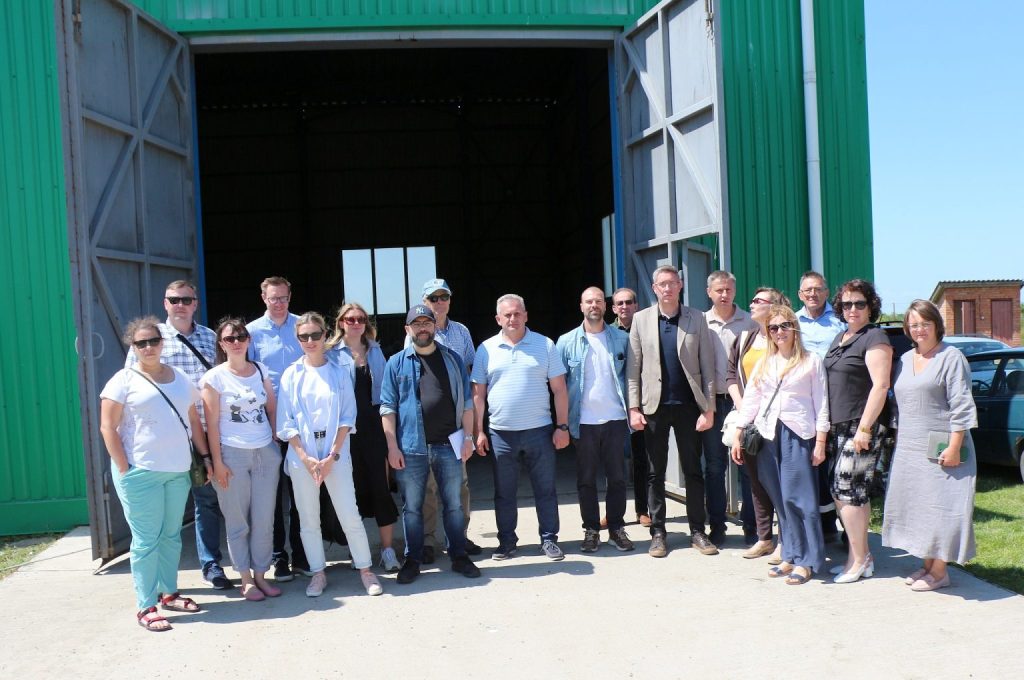
Guests reviewed technical equipment, assessed logistics, and spoke with staff. The final stage of the visit included the municipal landfill, with discussions on conditions, rehabilitation, and modernisation plans.
Lityn Community: A Comprehensive Approach and Openness to Change
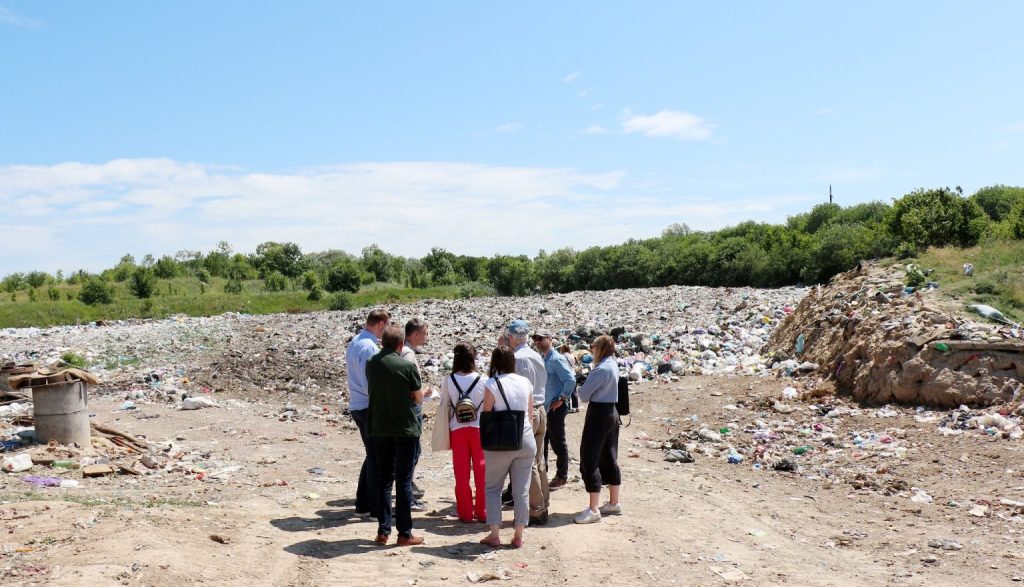
The next stop was the Lityn Village Council, where the community presented its systematic approach. The delegation visited “Litynkomunservice” municipal enterprise and the local landfill. Swedish experts evaluated safety standards, accessibility, and potential for implementing separate collection.
“We saw genuine interest from communities in improving their systems. These visits are not only about sharing experience but about understanding the broader context – economic, social, infrastructural,” summarised Hedvig Pettersson from Avfall Swerige, representing the “East” cluster.
Each community presented its waste management model during plenary sessions, highlighting challenges such as lack of sorting, outdated landfills, and communication gaps with the population.
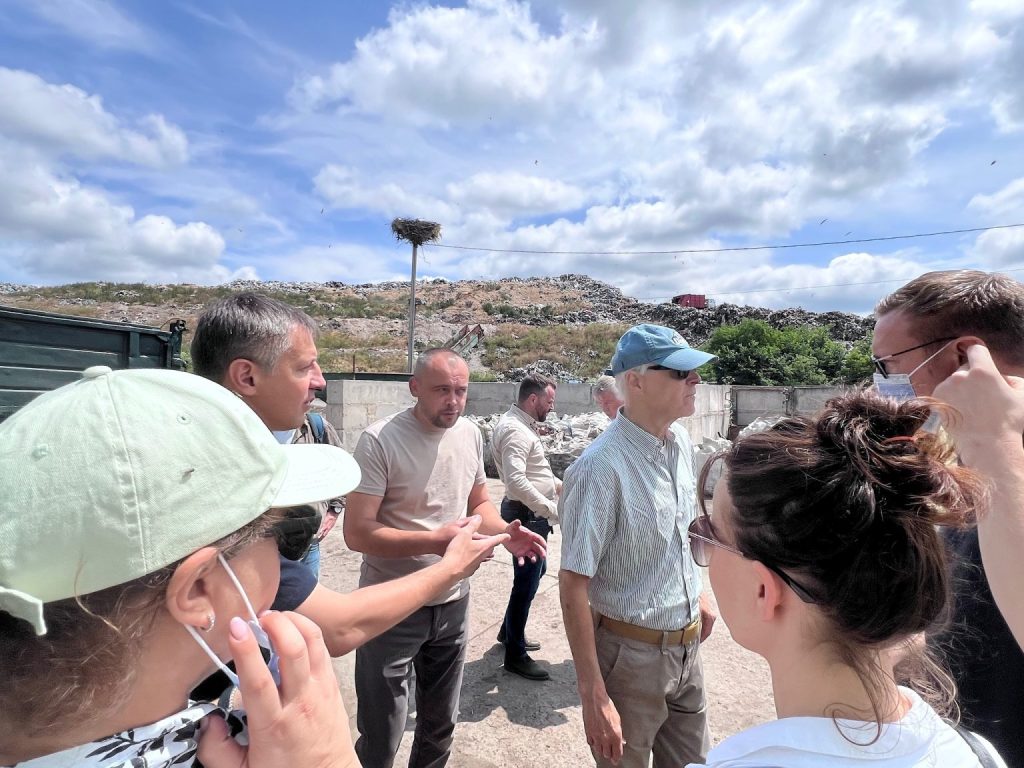
Key topics included intermunicipal cooperation, landfill operations, safety, technical modernisation, and youth involvement in environmental education.
“Together with our partners, we aim to build a transparent and modern system that can serve as a model for others. We sincerely thank Sweden for its solidarity and true partnership,” said Natalia Zabolotna, First Deputy Head of the Vinnytsia Regional Administration.
Ivano-Frankivsk cluster: ambitious goals and challenging geography
From 23 to 27 June, representatives of the Swedish “South” cluster visited the Ivano-Frankivsk cluster. Over five days, Swedish experts explored the region’s specificities – large cities, mountainous areas, and small communities – visiting Tysmenytsia, Yamnytsia, Bohorodchany, Burshtyn, Lysiets, Demyaniv, Rybne, and others.
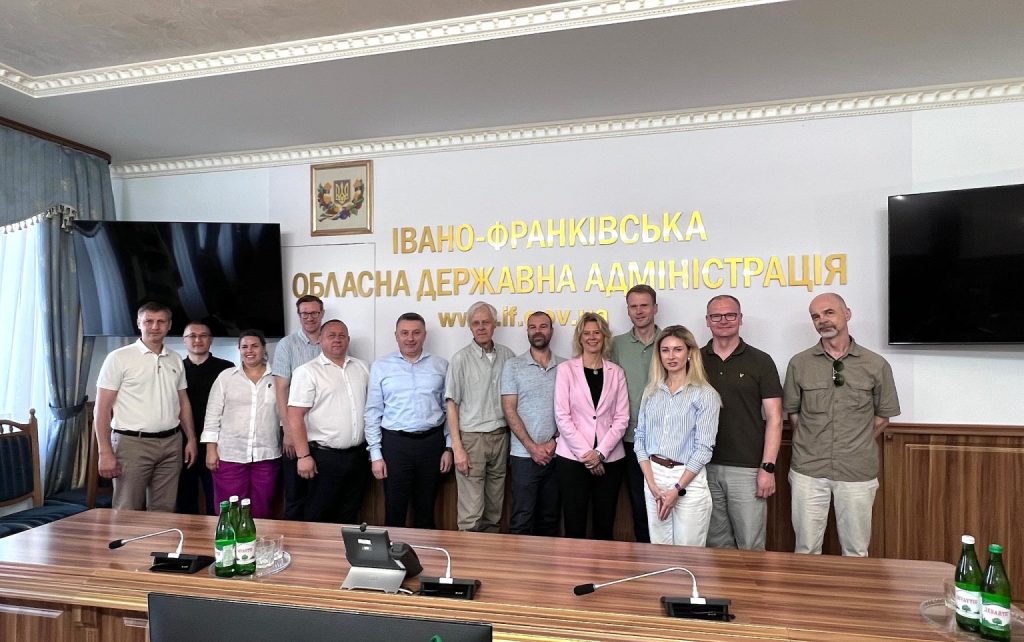
“We want to lead in waste management – and we have what it takes. We’ve already done a lot to serve as an example for other regions,” said Vitalii Ilchyshyn, Deputy Head of Ivano-Frankivsk Regional State Administration.
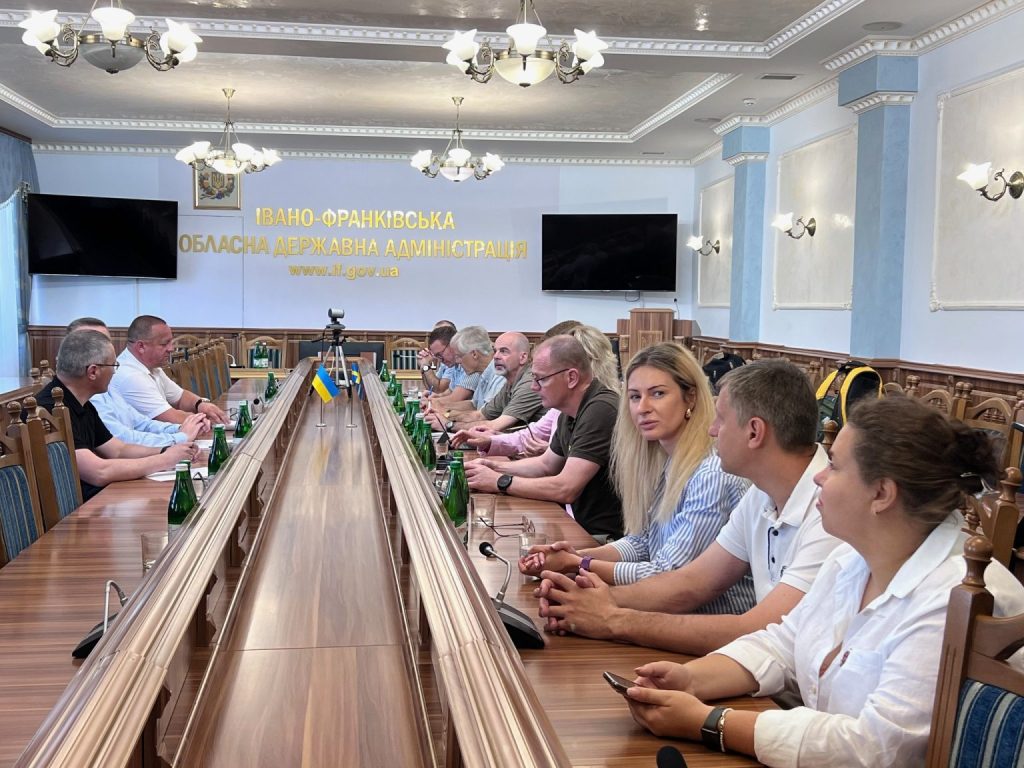
The Ivano-Frankivsk cluster includes 19 communities, with Ivano-Frankivsk as the central city. It features five landfills, a regional sorting line near Rybne, and a private biogas plant that collects landfill gas to produce electricity used by “TPV Landfill” municipal enterprise.
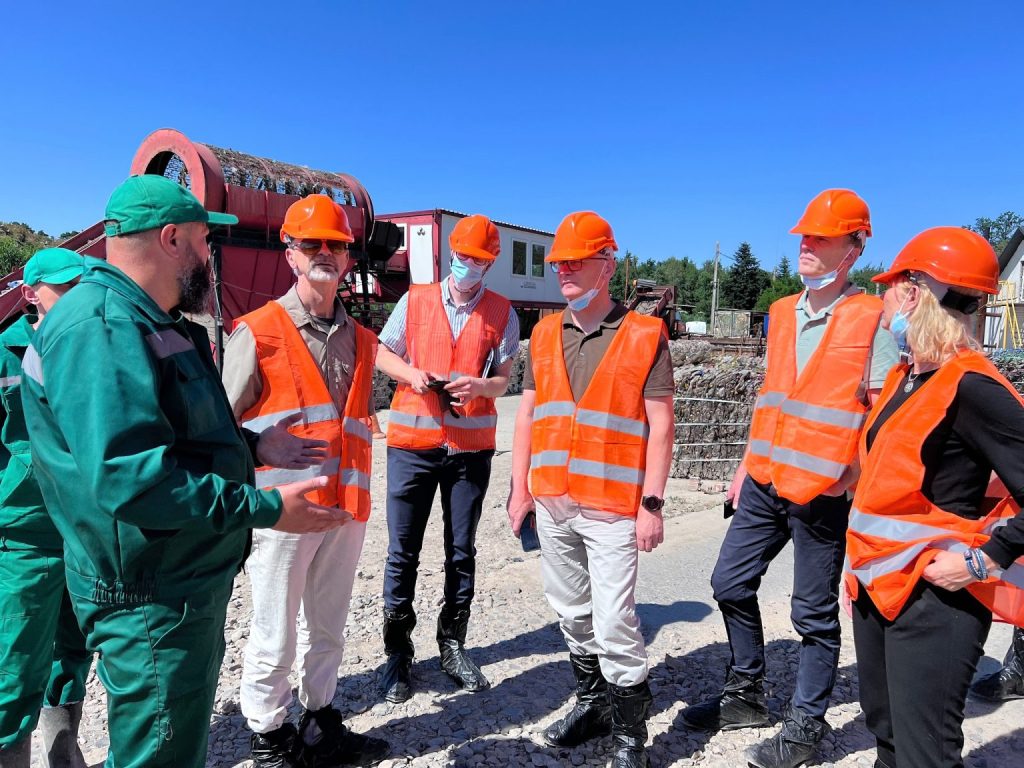
Secondary raw material processing companies – “VIZA-VTorma” and “ATP-0928” – sort paper, plastic, metal, glass, and organics. In Tustan village, “Goodvalley Ukraine” operates two animal byproduct incinerators that meet environmental standards.
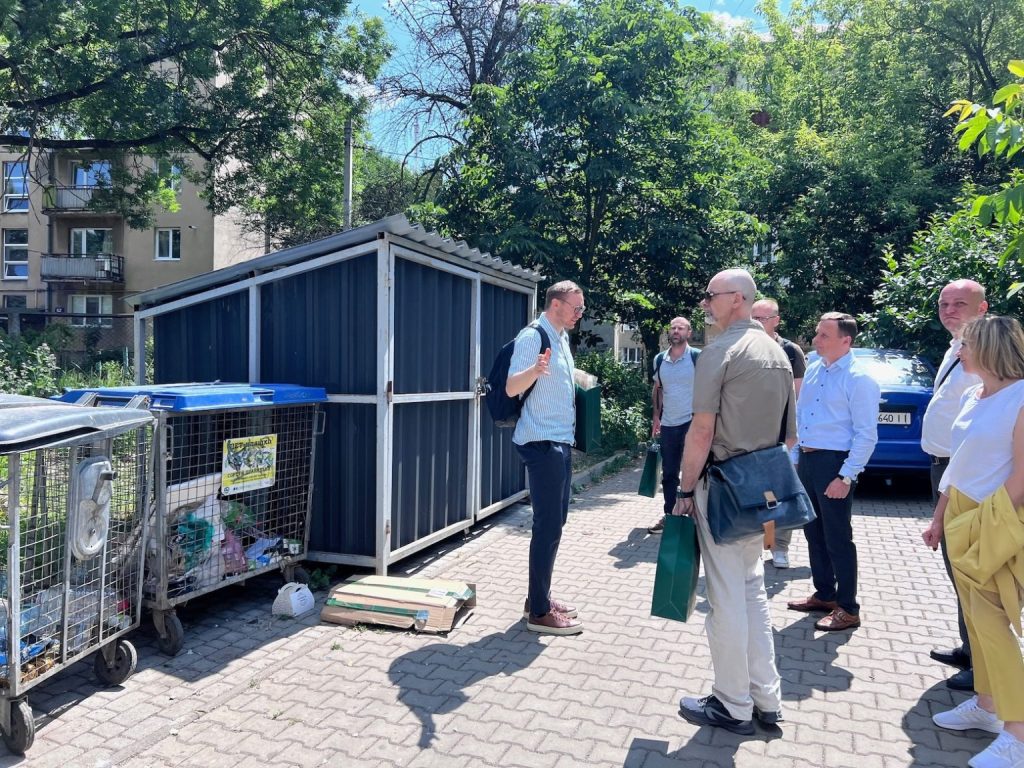
Swedish experts studied local waste collection systems, landfill operations, municipal enterprises, and public initiatives:
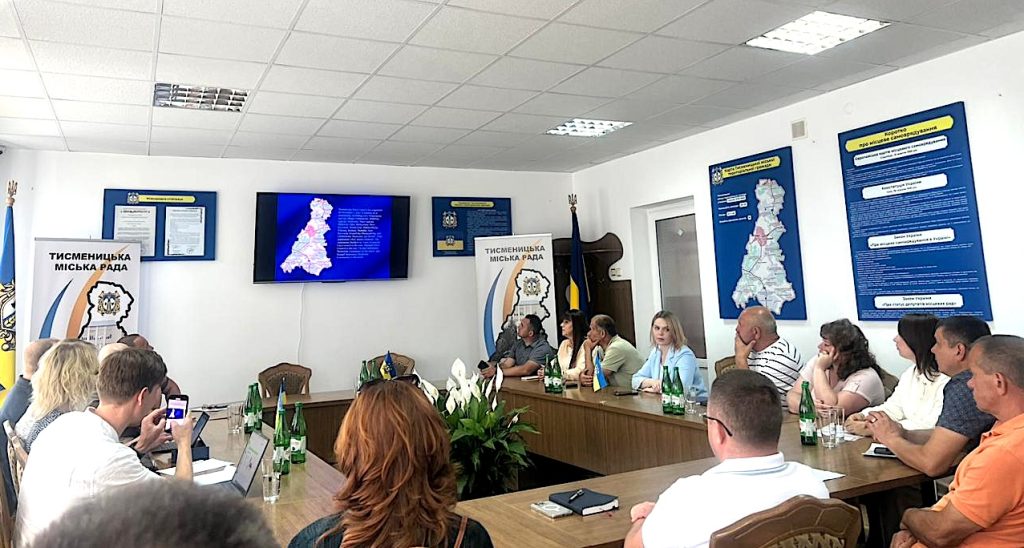
Tysmenytsia community:
- The community presented its collection model, including separate organics collection and partnerships with multiple carriers to optimise logistics.
Burshtyn community:
- The delegation toured container sites and “Eko-Service”, which handles collection and transport. The visit also covered the Rizdvyany landfill and Demyaniv waste system, with discussion on modernisation.
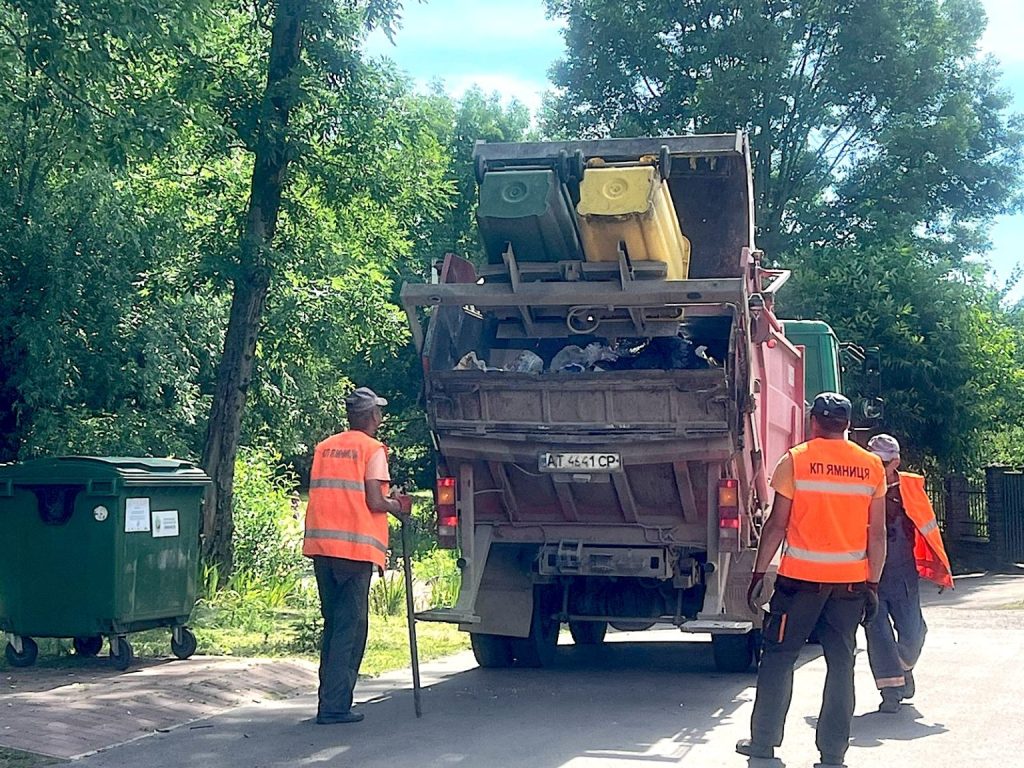
Yamnytsia community:
- Participants reviewed collection and sorting infrastructure. Particular attention was given to RDF fuel potential at “Ivano-Frankivskcement”, a possible path for safe waste disposal.
Bohorodchany community:
- The community shared its approach to managing waste in mountainous terrain, discussing logistics and potential solutions for difficult landscapes.
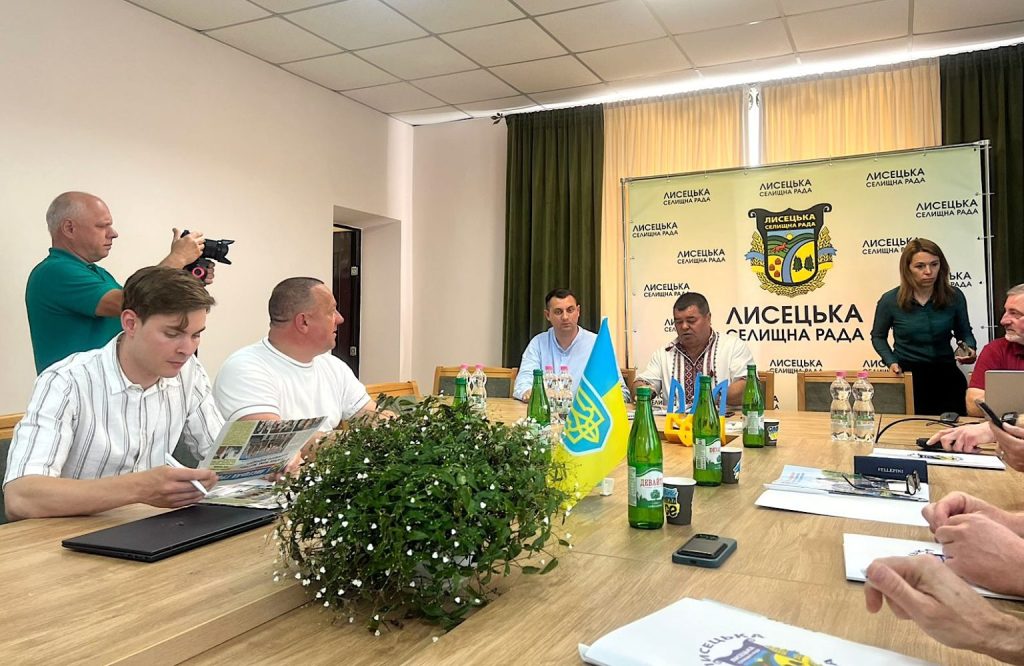
A full day in Ivano-Frankivsk included visits to municipal infrastructure, sorting facilities, the children’s environmental station, and civil initiative such as Re:space.
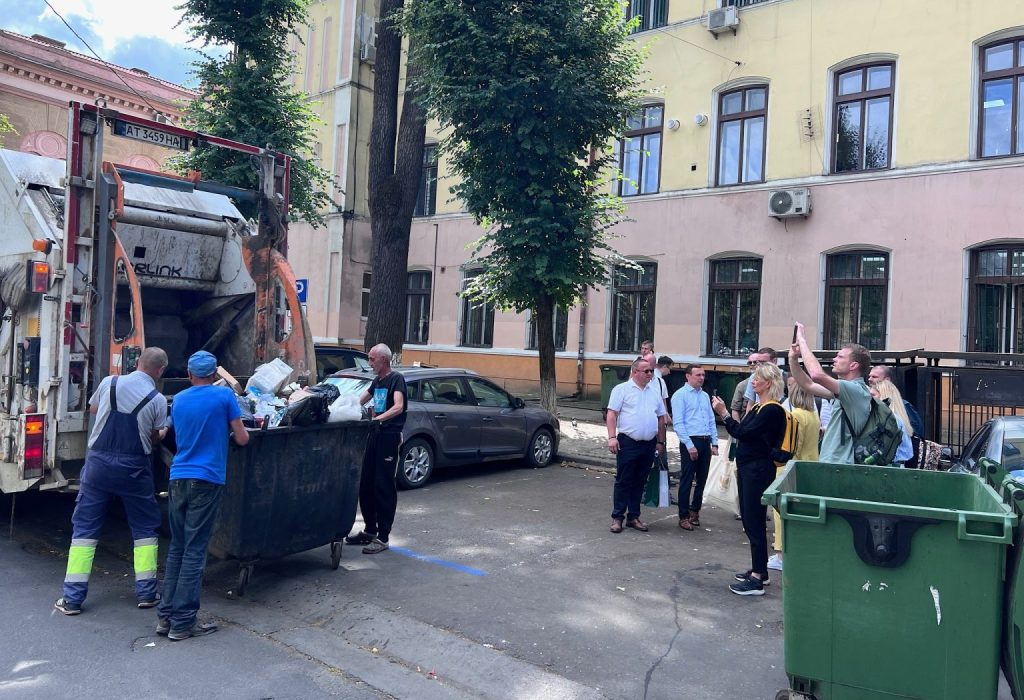
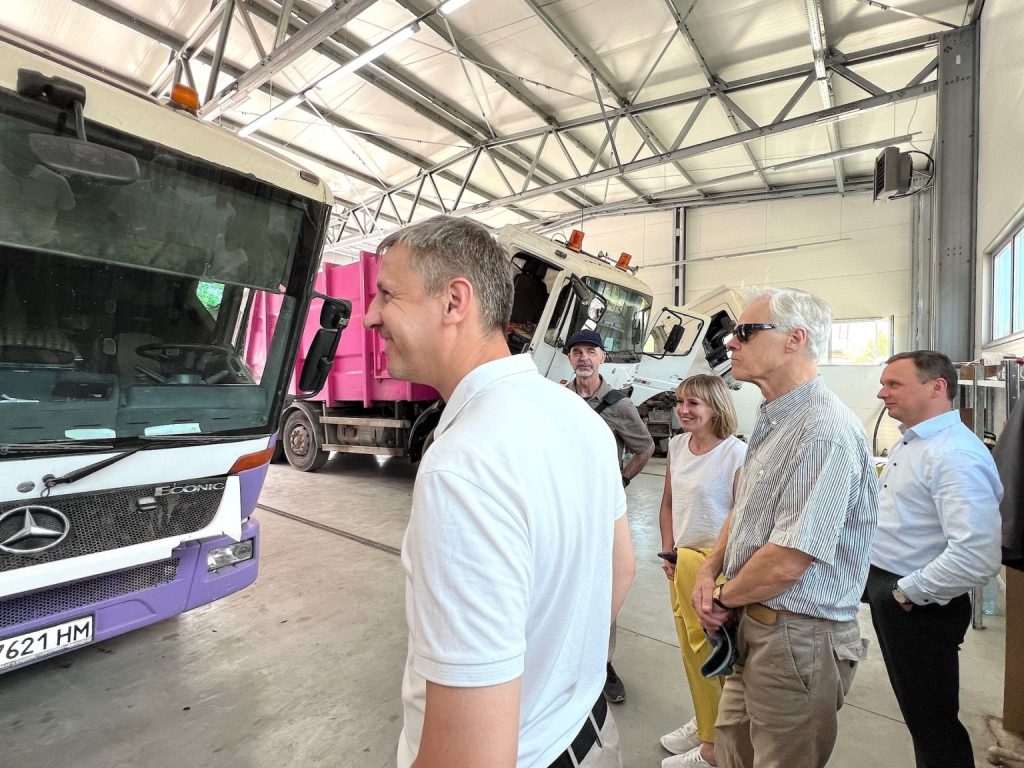
The delegation visited ATP-0928 – the largest waste carrier in the city, which services containers and provides centralised household waste collection.
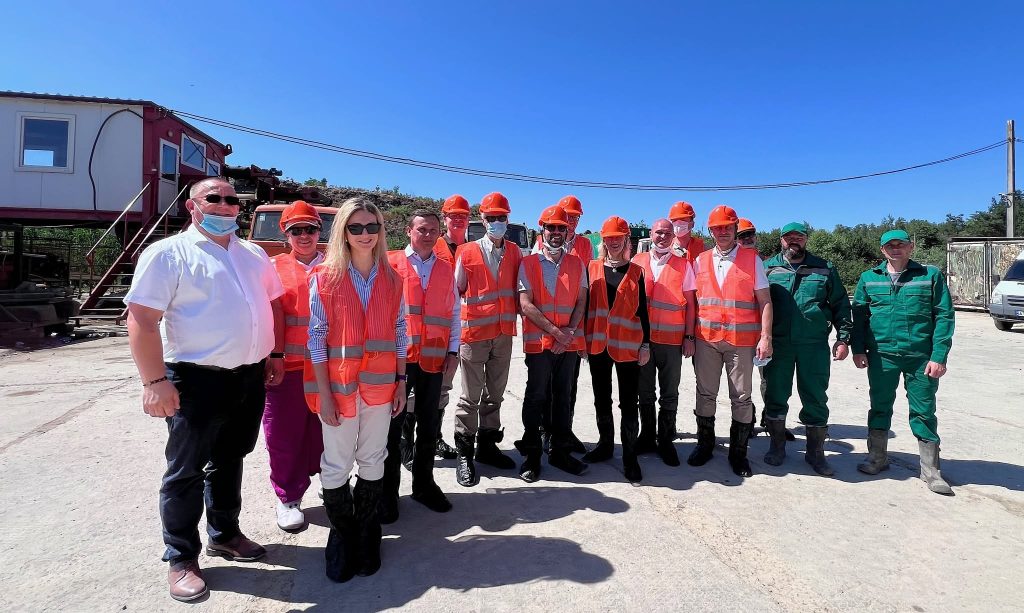
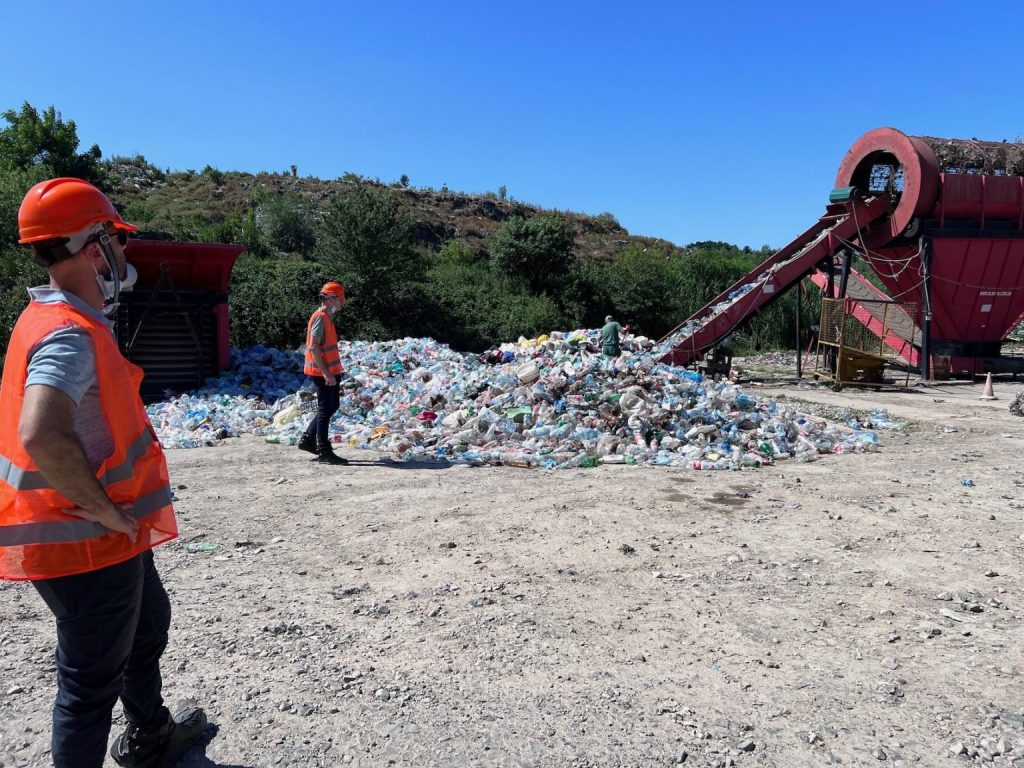
They also visited the landfill in the village of Rybne, where possibilities for its modernisation were discussed.
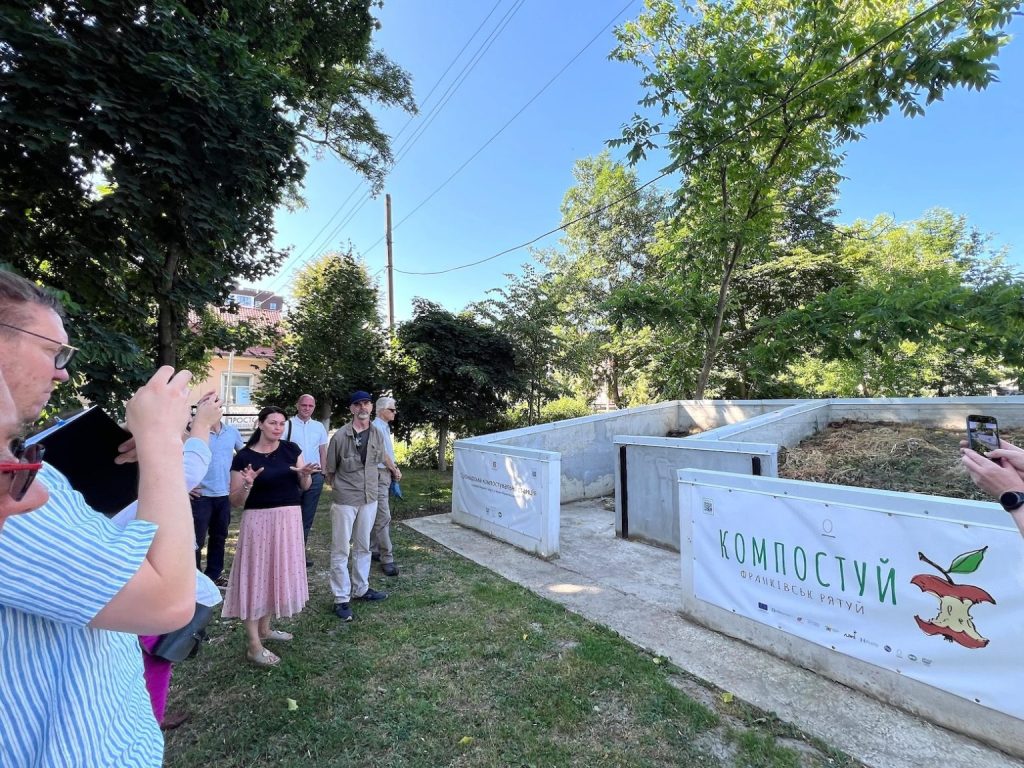
They explored the children’s environmental station for informal education and toured “VIZA-VTorma”, which collects recyclables from across the community.
“It’s essential to build cooperation between communities for proper waste processing. We already have achievements – biogas, sorting lines – but there’s still much to do,” said Mayor Ruslan Martsinkiv.
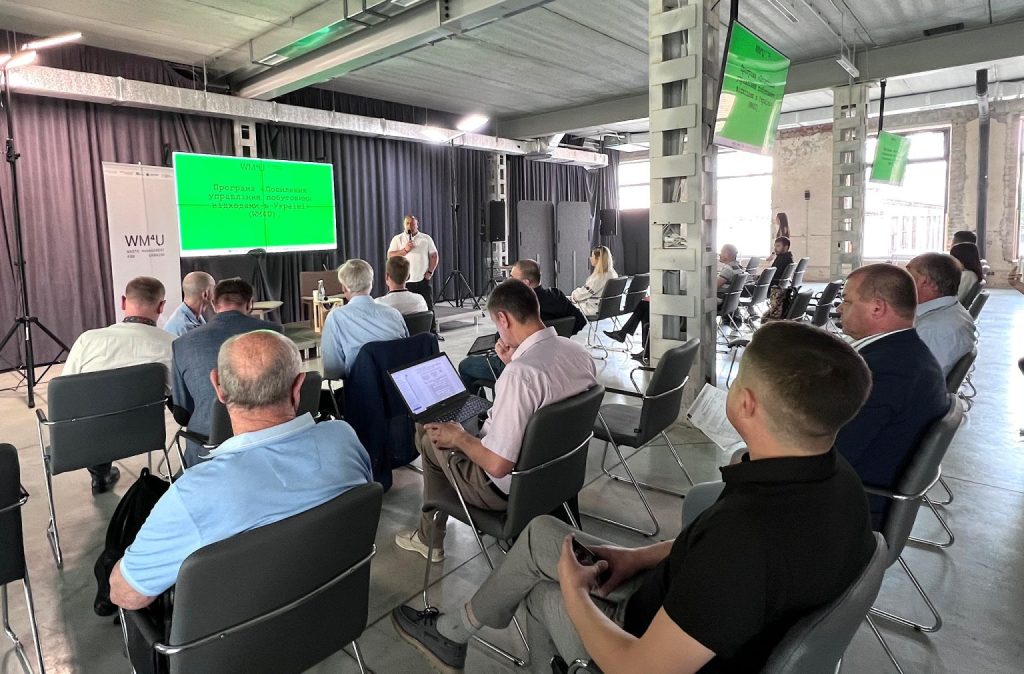
Swedish “South” cluster experts – Fredrik Holmér, Thomas Falkstrand, and Gunilla Karlsson – provided recommendations on sorting, waste morphology studies, landfill restructuring, and systematic hazardous waste collection.
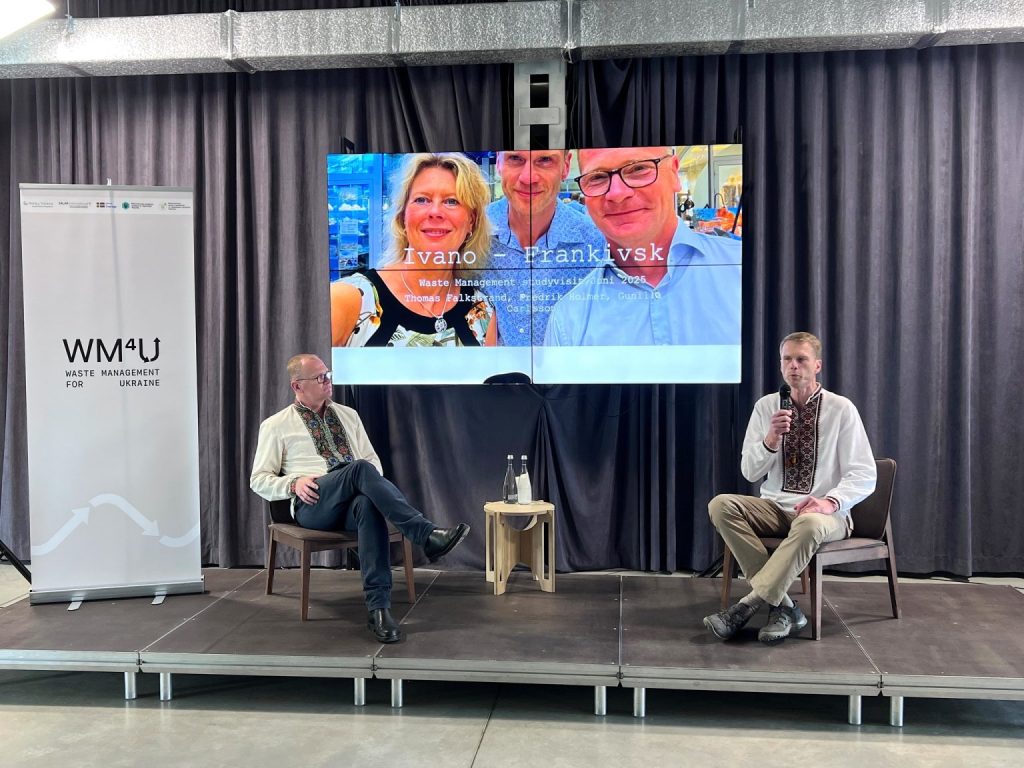
“There’s motivation and infrastructure, but the approaches differ significantly – especially between cities and villages. There’s no unified system for hazardous waste. This is a challenge, but also an opportunity,” said Thomas Falkstrand, “South” cluster expert.
Next steps: from analysis to action
In both clusters, final meetings included presentations by communities, discussion of baseline reporting, priority tasks, and next steps – such as updating Regional Waste Management Plans and defining cluster borders for intermunicipal cooperation.
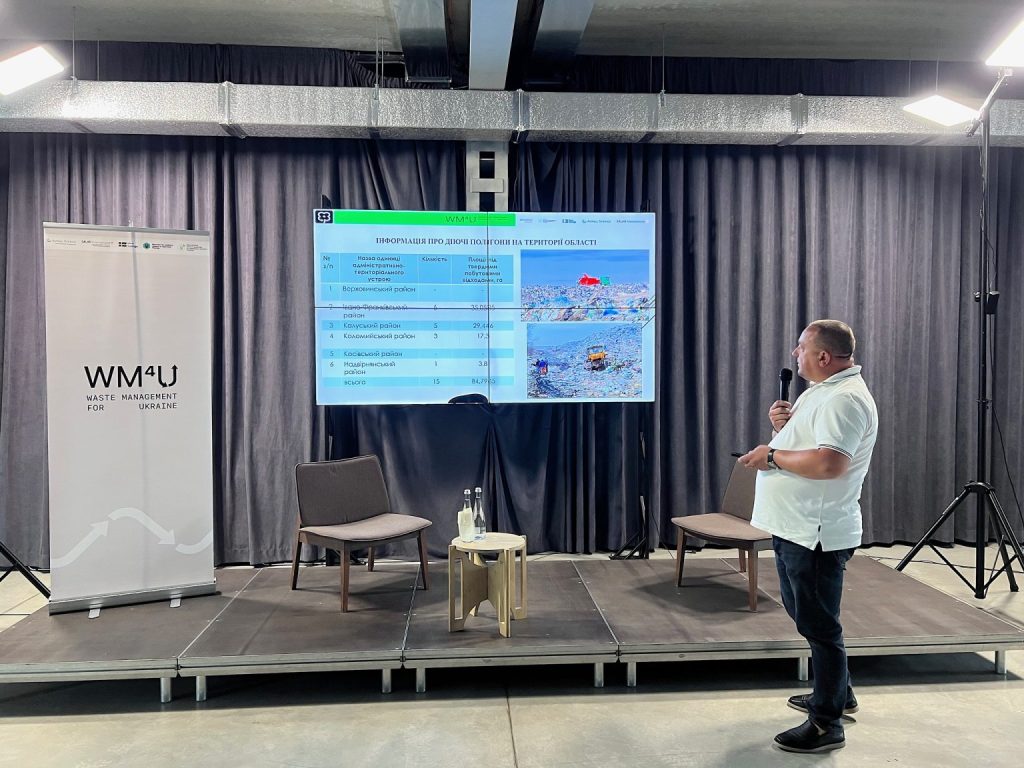
“We want to support Ukraine’s waste system – but we also learn from you, especially your ability to organise under pressure. The cluster model is a key element of our programme, and developing it at the intermunicipal level is a vital task,” said WM4U Senior Advisor Weine Wiqvist.
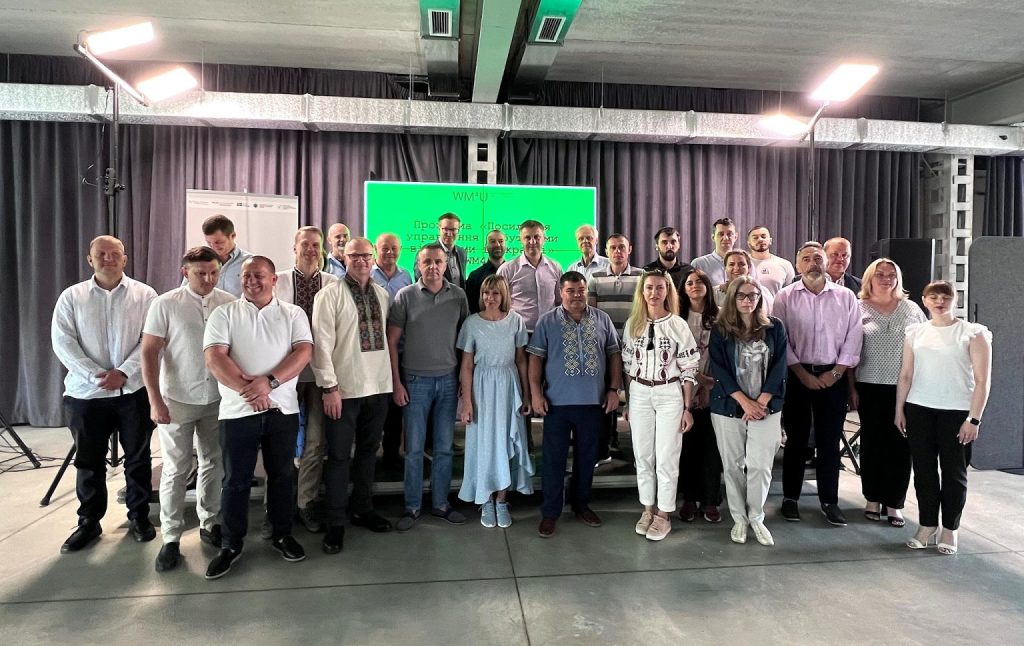
The study visits marked the start of customised roadmaps and updates to Regional Waste Management Plans in Vinnytsia and Ivano-Frankivsk regions. WM4U will continue to support communities in building effective, transparent, and European-aligned waste management systems.